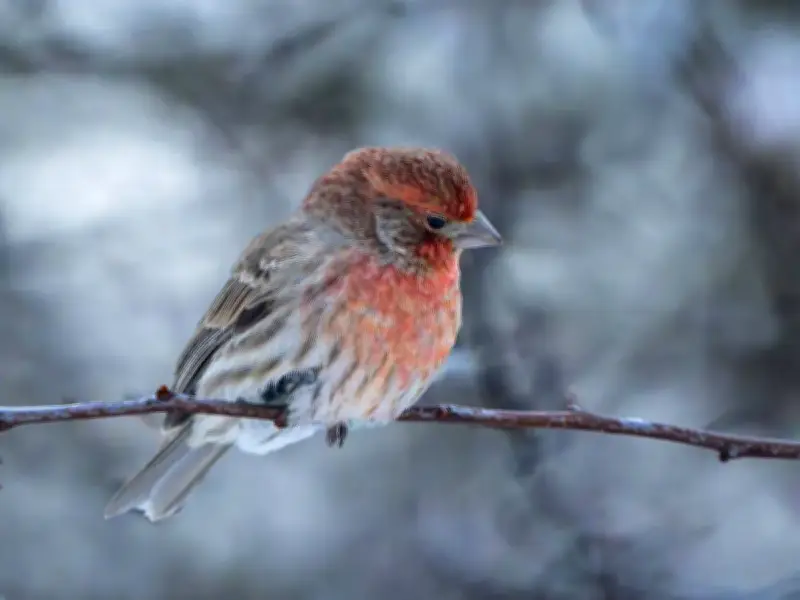
Gardeners are being urged to put down their tools and resist deadheading plants this August, as leaving seedheads in place can turn a garden into a natural feeding station for birds such as goldfinches, sparrows and finches throughout winter.
According to BBC Gardeners' World Magazine, now is the right moment to stop tidying borders and allow certain plants to develop seedheads. The guidance highlights teasels, lavender and Verbena bonariensis as the best plants to leave alone, since their seedheads become an essential food source, particularly the oil-rich seeds found in coneflowers, rudbeckia and teasels.
Benefits beyond bird feeding
The advantages extend beyond feeding birds. Leaving plants undisturbed provides safe overwintering locations for solitary bees and other beneficial insects, while natural debris helps insulate the soil and offers shelter for other species as temperatures fall.

For gardeners, allowing seedheads to ripen and fall naturally enables many plants to self-seed, removing the need to collect, store and resow the following year.
Visual appeal and other autumn tasks
Dried seedheads also catch frost, snow and low morning light during winter, preventing borders from looking sparse once the flowering season ends. Allowing plants to complete their natural life cycle also eliminates one of the most time-consuming autumn tasks.
The magazine also recommends leaving out shallow dishes of water for garden birds, providing a dependable source for drinking and bathing should the weather turn drier or the area experience drought.