
The Dartford warbler, a small bird once on the brink of extinction in the UK, has made a remarkable recovery 60 years after its population plummeted to just a few pairs. Conservation efforts, including habitat restoration and protection, have seen numbers rise to over 3,000 pairs across southern England.
The species was nearly wiped out in the 1960s due to harsh winters and habitat loss, but targeted conservation work by organisations such as the RSPB and Natural England has helped it bounce back. The bird now thrives in heathland and gorse scrub in counties like Dorset, Hampshire, and Surrey.
This success story is part of a wider trend of conservation wins, but experts warn that many other species remain under threat. The latest IUCN Red List update highlights 31 species that have gone extinct, including several frogs and freshwater fish.
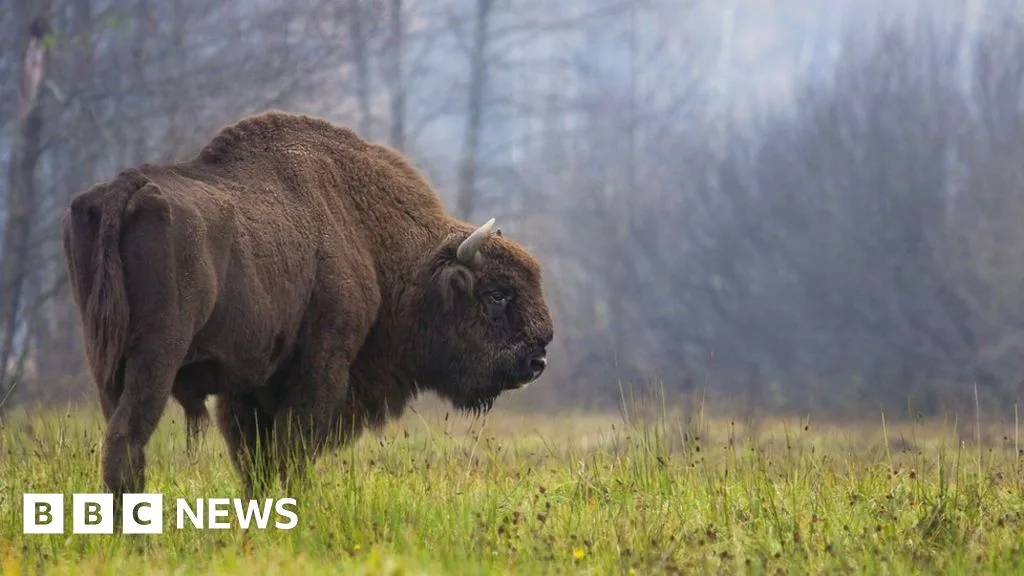
Dr Bruno Oberle, director general of the IUCN, said the recovery of the European bison and 25 other species demonstrated 'the power of conservation'. However, he added that the growing list of extinct species 'is a stark reminder that conservation efforts must urgently expand'.
The Dartford warbler's comeback shows that with dedicated action, even species on the edge of extinction can be saved. Conservationists hope this success will inspire further efforts to protect other vulnerable wildlife.




