
Gardeners are being urged to drill holes in the bottom of their fences this August to help hedgehogs, a garden favourite that has become seriously endangered. Hedgehog numbers are significantly down in the UK in recent years, hit hard by changes to the environment and modern gardening, household and lifestyle decisions.
Why hedgehogs need help
Hedgehogs are not only lovably cute but also great at gobbling up pests that gardeners battle to keep away from prized fruit, veg crops, and flowerbeds. In August, they are busy preparing to hibernate after the birthing season in June and July, although they often have a second litter of hoglets in August and September.
Website Spike's Hedgehog Food says: "While June and July are the typical birthing season for hoglets, after the mating season in early summer, hedgehogs often have a second litter of hoglets in August and September." This time of year is crucial as they need to build up fat stores ahead of hibernation in October or November.
"However, with less food and water available due to urban sprawl and the use of pesticides killing insect populations – which are their main food source – many aren’t able to build up the reserves they need to make it through winter."
Create a Hedgehog Highway
Leaving a small gap under your garden fence is the most important thing you can do to help hedgehogs. Spike's Hedgehog Food advises: "Leave a small gap in your garden fence to allow them to get in and out easily. You could even chat with your neighbours and encourage them to do the same. This creates a safe Hedgehog Highway through your gardens, which is crucial to their mating rituals and feeding habits."
The RSPCA says hedgehogs are always on the move but need help to get in and out of gardens. They said: "Hedgehogs are one of Britain's most recognisable and well-loved wild animals. Hedgehogs are a gardener's friend, as they eat beetles, caterpillars, worms and other invertebrates."
"Did you know as many as 10 different hedgehogs may visit a garden over several nights? This could mean 'your hedgehog' is actually a number of different ones visiting at different times. The European hedgehog is one of around 16 different species found throughout the world. They are also the species that are most often admitted to our specialist wildlife rehabilitation centres."
"Hedgehogs can travel around a mile every night, so they may need help to get into and out of your garden. Try cutting holes in fences, removing bricks from walls, or digging tunnels under the garden boundary. Hedgehogs can travel through gaps as small as 13x13cm, so these gaps don't need to be large. Replacing garden fencing for native hedgerows provides access through your garden for hedgehogs. Hedgerows also provide shelter for other wildlife too. Remember to check with your neighbour before making a highway."
Solid fences are a problem
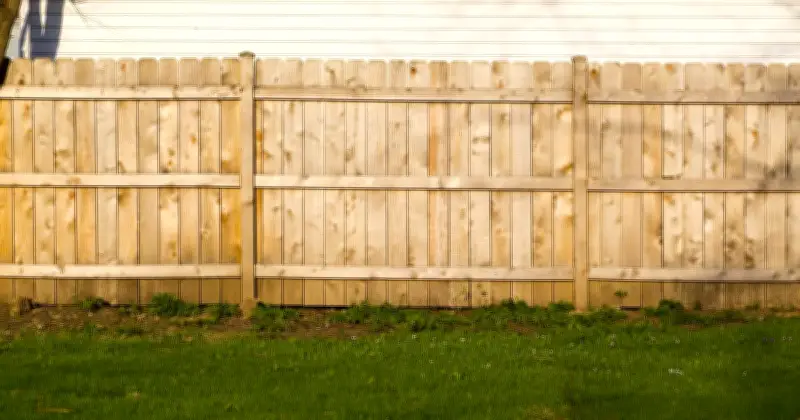
Hedgehog numbers are significantly down, and one reason put forward is solid, impenetrable walls and fences being put up around houses. As wildlife shop NHBS says: "Research suggests that this is partly because it is becoming harder for hedgehogs to move freely due to an increase in the number of solid walls and fences being erected around gardens."
"This reduces the available foraging area and so restricts the amount of food that they can eat as well as reducing the possibility of meeting a mate. Creating a hole in a garden wall or fence will allow your local hedgehogs to pass through from garden to garden safely."
You can do this by cutting a small, hedgehog-sized hole in the bottom of the fence, or raising the entire panel by a few inches so a hedgehog can squeeze underneath, but not so large that a person could. Alternatively, cut a few inches of wood off the bottom of the fence. This won't increase feline invaders, as cats can leap over even six-foot fences.
NHBS sells a hedgehog hole fence plate for a sturdy metal-enforced gap. NHBS adds: "A hole measuring 13cm by 13cm is the right size for a hedgehog to pass through but too small for most pets. Once you have made your hole in the fence or wall, you can fix the Eco Hedgehog Hole Plate to the fence, ensuring that the hole does not get blocked or stretched." The plate has six screw holes, three along each side, and additional holes can be made if required.




