Chagos Islands Fishing Proposal Ignites Debate Over Conservation and Cultural Rights
In a move that has ignited fierce debate, the UK government's deal to hand back the Chagos Islands to Mauritius includes provisions to open one of the world's most precious marine reserves to some fishing for the first time in 16 years. This proposal, part of efforts to facilitate the return of the Chagossian people, has drawn opposition from conservationists who warn it could jeopardise a thriving ecosystem.
Background of the Marine Protected Area
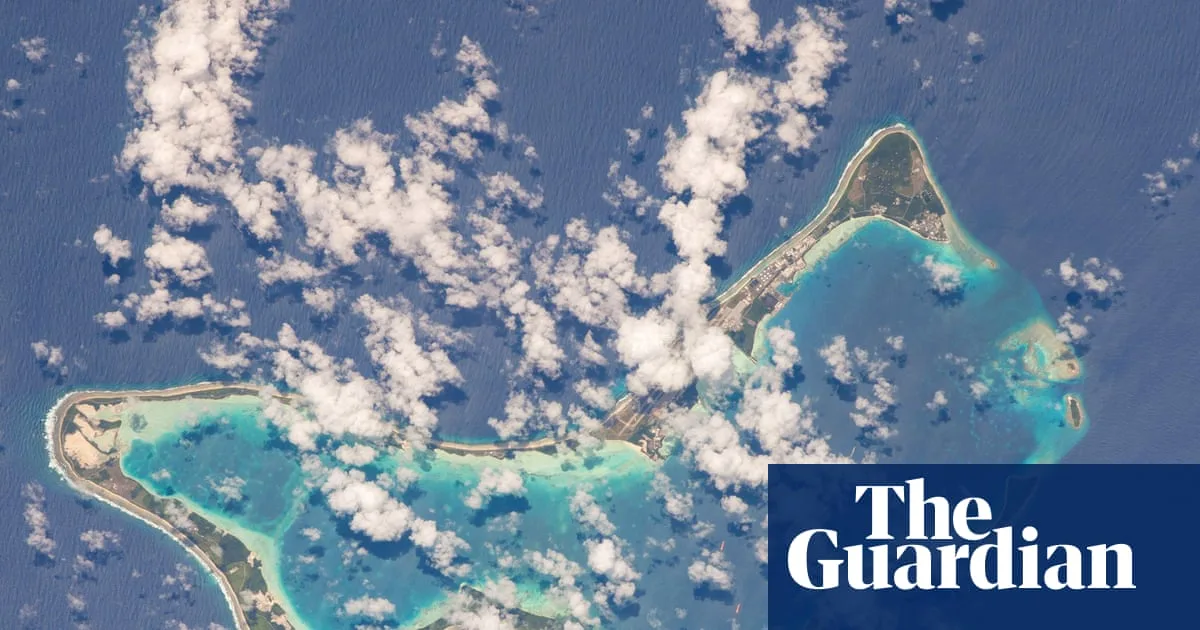
The Chagos Islands Marine Protected Area (MPA) was designated in 2010 as one of the largest "no-take" zones globally, covering an impressive 247,000 square miles (640,000 square kilometres). This designation meant that all fishing activities were strictly prohibited, a measure backed by environmental NGOs such as Greenpeace and the RSPB. The area is renowned for its pristine waters, healthy coral reefs, and exceptional biodiversity, serving as a crucial sanctuary for over 76 species listed on the International Union for Conservation of Nature's red list.
Since the ban was introduced, nature has flourished in these Indian Ocean waters. The archipelago is home to a rich array of marine life, including sea turtles, more than 800 species of fish such as rays and skates, and over 50 different types of shark. Additionally, approximately 175,000 pairs of seabirds visit the islands annually to breed, highlighting its ecological significance.
The New Fishing Provisions and Cultural Considerations
Under the new agreement, most of the currently protected zone will be opened to some fishing, with plans discussed in Mauritian media outlining the allowance of what the government describes as "sustainable" fishing in nearly 99% of the area. A key exception is the space around the UK-US military base on Diego Garcia, which will remain off-limits to fishing boats.
This shift is seen as an essential component of the Chagossian people's return to the islands, as fishing historically formed the backbone of their livelihood and culture. Richard Ally, from the campaign group Chagossian Voices, emphasised the importance of this aspect, stating that allowing small-scale, regulated artisanal fishing is vital for preserving Chagossian culture and ensuring a meaningful resettlement. He asserted that the Chagossians have always acted as guardians of the environment, practising sustainable fishing without overexploitation.
Conservationist Concerns and Enforcement Challenges
Despite these cultural arguments, the proposal has alarmed many conservationists. Dr Enric Sala, founder of the National Geographic Society's Pristine Seas project, described Chagos's waters as "living time machines" that showcase the ocean's pre-human state. He argued that the MPA functions as a "fish bank," where migratory species like tuna can grow and breed, ultimately benefiting surrounding areas through spill-over effects.
Labour MP Emily Thornberry, chair of the Foreign Office select committee, echoed these concerns, labelling the situation a "potential catastrophe" for wildlife. She questioned the enforcement mechanisms, stressing the need for a legally binding agreement to maintain the area as a no-take zone. Similarly, Richard Ally expressed doubts about the Mauritian government's capacity to regulate fishing activities effectively once the UK hands over the territory.
Commitments and Future Outlook
Prof Heather Koldewey, head of ocean conservation at the Zoological Society of London, noted that while dedicated financing for the MPA is still pending, the Mauritian government has expressed high conservation ambitions and a commitment to prohibiting commercial fishing. She highlighted ongoing collaboration to find inclusive solutions that balance wildlife protection with human needs.
A Foreign Office spokesperson reaffirmed the UK's stance, describing the Chagos MPA as one of the most important marine environments globally and emphasising a joint commitment with Mauritius to its protection, including combating illegal fishing. The Mauritian government has been contacted for further comment on these developments.
As discussions continue, the clash between conservation priorities and cultural rights underscores the complex challenges in managing protected areas while supporting displaced communities.