
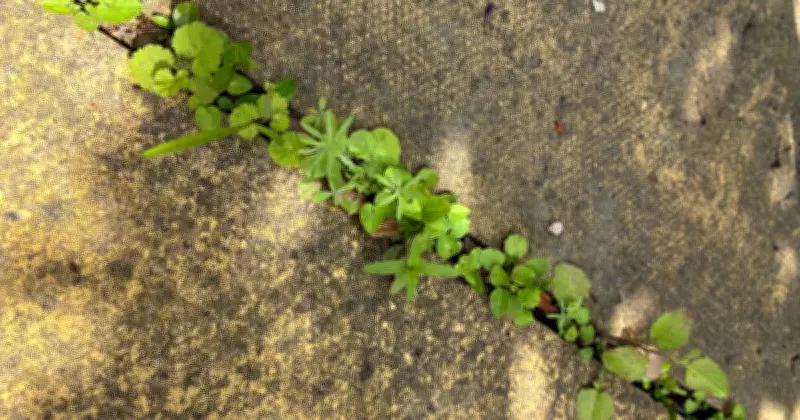
A test of two natural weed-killing methods on a UK patio has found a clear winner. A homemade spray made from white vinegar, salt, and washing-up liquid proved easier to use and delivered slightly better results than boiling water, despite both being effective.
Homemade Weed Killer Tested
Using a spray bottle, 500ml of white vinegar was combined with two tablespoons of salt and two tablespoons of washing-up liquid. Since all ingredients were already in the kitchen cupboard and a spray bottle had just been emptied, the mixture cost nothing to make.
The mixture was trialled on various sections of the patio. After giving the weeds a thorough coating, they were left alone until the next day. On returning, the weeds had withered and died, and removing them afterwards proved far easier than if they had still been alive.
Boiling Water Method
The second method involved filling a kettle to maximum capacity and pouring boiling water over patio weeds near those already treated. Aiming the scalding water proved tricky, so a step back was taken before pouring.
The weeds began shrivelling almost straight away, though results were fully evaluated the following day. The boiling water method worked, with weeds appearing browned and withered.
The Verdict
Both methods impressed in tackling patio weeds. The boiling water approach is more cost-effective and straightforward, though it would mean multiple trips indoors to re-boil the kettle for larger areas. It was the fastest method, making it perfect for a quick solution with minimal effort.
However, if time is on your side and the sun is shining, the homemade weed killer comes out on top. It was far easier to direct the spray onto the weeds without scalding water spreading across the patio. It also delivered slightly better results overall, as the weeds appeared more shrivelled. Once made up, the bottle goes a long way, as the entire patio was treated and a generous amount remained.
The homemade weed killer is remarkably effective, being both inexpensive to make and free from harsh chemicals. It should be applied on a dry, sunny day to prevent rain from washing it away. It is best suited to patio surfaces, as it can make soil areas acidic.




