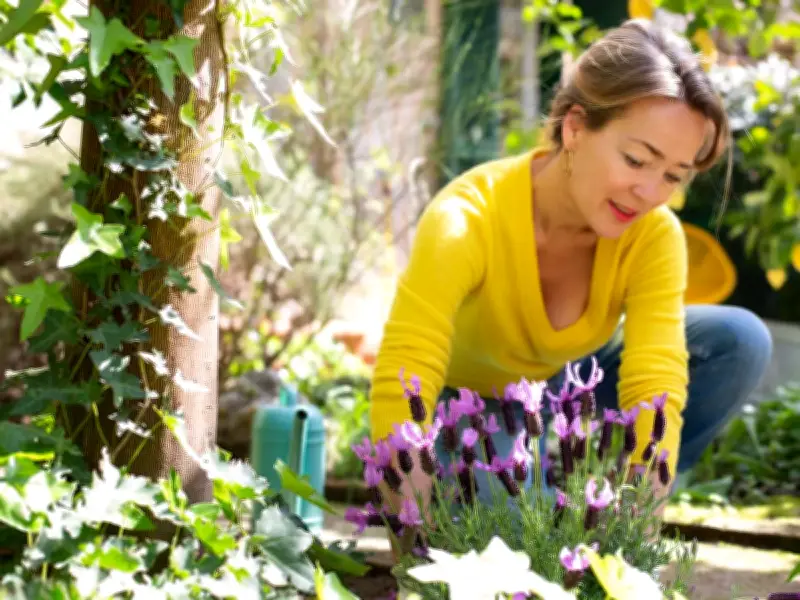
Gardening expert Annette Thurmon has revealed that adding sand or gravel mulch to the soil can encourage lavender to grow bushier with more flowers. The tip addresses the common problem of over-fertile soil, which can reduce blooming.
Why sand or gravel helps
Lavender, a fragrant plant from the mint family (Lamiaceae), is native mainly to the Mediterranean. In the UK, it typically flowers from June to August and can live for several years in the right conditions. The plant thrives in sunny, dry and well-drained spots, but overwatering or heavy soil that doesn't drain well are common mistakes.
Lavender generally doesn't need fertilising, as over-nourishing can encourage leafy growth at the expense of blooms. When soil gets too much nitrogen, it hampers flowering and instead puts energy into producing soft green stems that lack visual appeal.

Thurmon, a homesteader and founder of Azure Farm Life, explained: "If your soil is too fertile, you may have fewer blooms. You can either move your plants or add sand or gravel to aerate and reduce nutrient density." In its natural environment, lavender flourishes in rocky, dry spots, so adding gravel or sand mulch mimics these conditions.
What is mulching?
Mulching involves covering the soil around plants with a protective layer of material, such as wood chips, bark, compost, straw, grass clippings or gravel. It is typically spread across the surface rather than mixed into the soil.
Mulching helps keep moisture in the soil, suppress weeds, protect roots from temperature changes, improve soil quality when organic mulch breaks down, and reduce soil erosion. Sand or gravel mulch works best because it reflects sunlight back onto the plant, keeping the soil warm and encouraging it to focus energy on producing flowers rather than leafy stems. It also improves drainage, preventing waterlogged conditions that can weaken or disease lavender roots.
How to buy and apply
When shopping for mulch, look for builder's sand or pea gravel, as both offer excellent drainage and airflow. Avoid finer sand varieties, which tend to clump together and hinder water reaching the roots.
Thurmon advised: "Apply a thin layer of mulch around the base of the lavender plants to help retain moisture, suppress weeds, and regulate soil temperature." Leave a gap around the stem to prevent moisture building up. Ensure water drains freely through the soil without pooling, and the ground should be in good shape for the rest of the flowering season.