Readers have been responding to the question of whether consumer capitalism, at its current rate, will lead to a point where there is literally no space left on Earth for all the stuff that has been created. The question was posed by Alex Robinson from Alnwick, Northumberland, in the long-running series where readers answer other readers' questions.
Diverse Views on Space and Consumption
Some respondents suggested humorous or speculative solutions. BobAgg proposed sending all our crap to the moon, noting that some people have already started. Sagarmatha1953 joked that if we run out of space, we can just order a new one on Amazon. Others pointed to recycling and secondhand shopping as mitigations, with RP Orlando arguing it's not inevitable if we keep recycling with fervour and buying in secondhand shops.
Alan Webb predicted a drastic population reduction within 100 years, citing war, famine, plague, and pestilence, leaving survivors to consume very little. JoninBomo suggested our stuff will end up in holes from open-cast mining, becoming a geological layer for future species to marvel at.

Deeper Concerns Beyond Storage
Several readers argued that the real issue is not physical space but unsustainable consumption. NickEM referenced the "Earth overshoot day," currently 30 July, and noted that the UN reckons moving that date back by five or six days each year would return us to equilibrium by about 2050. leadballoon explained that everything we make comes from raw materials dug from the ground, and the problem is converting them into useless stuff that could fill the holes we made, leaving toxic residue that makes human life near impossible.
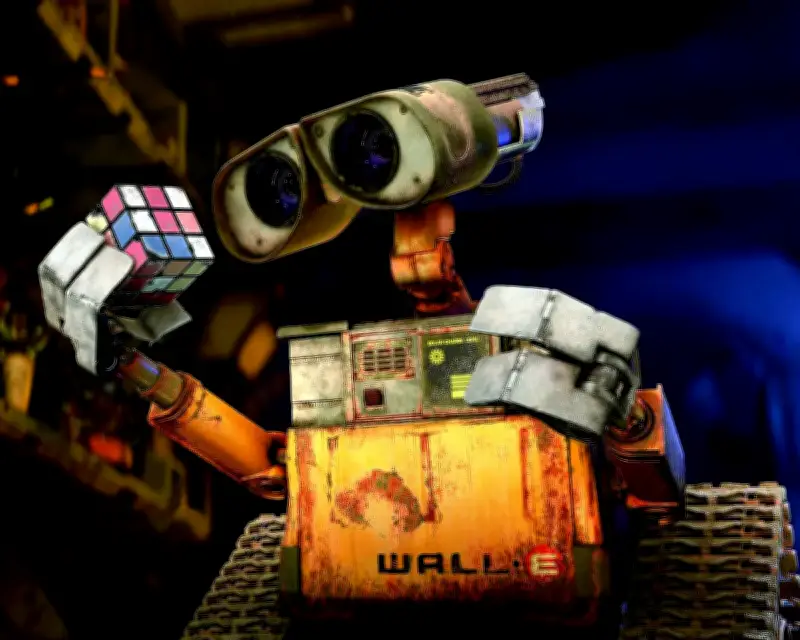
Some responses referenced cultural works. rumblestrips mentioned Harry Harrison's Make Room! Make Room!, made into the film Soylent Green, which describes a world where the only food is soylent green biscuits, purportedly made from soya beans and lentils, but actually made from people. LintHuman asked if anyone else watched Wall-E, the 2008 film about a garbage-picking robot on a future, uninhabitable Earth.
Statistical and Practical Perspectives
SemiFunctional provided numbers: the land area of the Earth is about 57m sq miles (149m sq km), and the UN predicts world population will peak at around 10 billion in 2084. If the land were divided equally, everyone would get around 14,000 sq metres, a square 120 metres on a side, and you could always go upwards. quokkaZ cited Hannah Ritchie's calculation that all the world's plastic could be disposed of in landfill in a layer 10 metres deep, 30 metres below the surface in an area of 1,800 sq km, against a world land surface area of 148,900,000 sq km.
Other readers highlighted the psychological and social drivers of consumerism. krokodil suggested that buying makes us feel meaningful and connected, while neepheid speculated about dopamine. WoollyAphid referenced George Orwell's Nineteen Eighty-Four and Graham Oakley's Henry's Quest as examples of repurposing debris. Some advocated for overhauling education to include sustainability, cooking, gardening, and basic repairs, as catchytitled suggested. confusedofengland noted that people used to burn rubbish and repair TVs, and predicted we will mine landfill for resources in the future.
The responses reflect a range of opinions, from optimistic recycling solutions to fatalistic predictions of collapse, but many agree that the habitability of the planet is a more pressing concern than running out of storage space for manufactured items.