
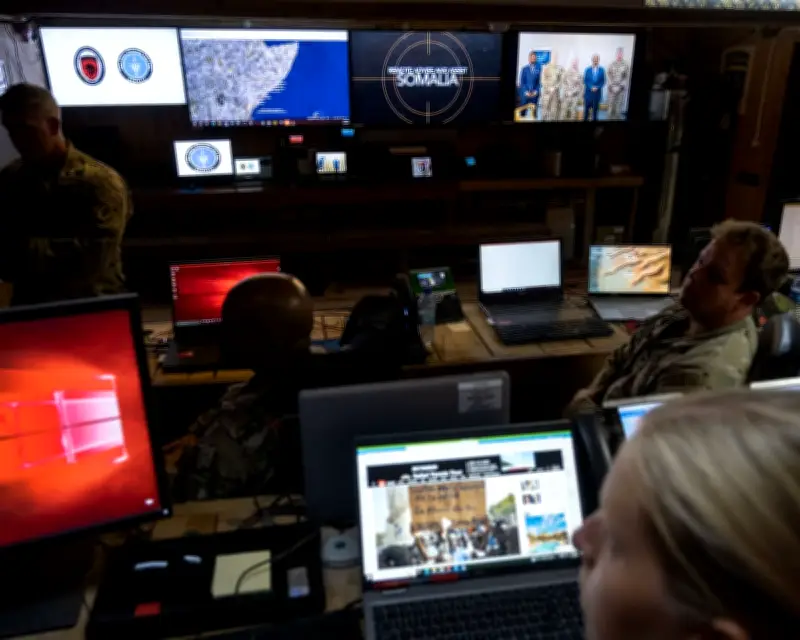
The United States military has been intensifying its airstrike campaign in Somalia against the Islamist militant group al-Shabaab, but questions remain about the effectiveness and human cost of the operations.
Why is the US bombing Somalia?
The strikes are part of a long-running effort to degrade al-Shabaab and a smaller Islamic State affiliate in northern Somalia. Al-Shabaab has never attacked the US, but Washington considers it a threat under the global war on terror.
How did the airstrikes begin?
US operations started after al-Shabaab was designated a foreign terrorist organization in 2008. Initially targeting senior leaders, the campaign escalated with drone strikes introduced in 2011. Bombing has grown from just 11 strikes under the Bush administration to dozens per year.
Current bombing tempo
In 2025, the US conducted 64 strikes in Somalia, roughly one every two to three days. This surpasses the total during the entire Biden administration. Under Trump, 190 strikes were carried out in his second term, compared to 219 in his first term and only 51 under Biden.
Changes under Trump
The loosening of rules of engagement for drone strikes has allowed unprecedented attack levels. Strikes target al-Shabaab and IS-Somalia.
Effect on al-Shabaab
The impact has been modest. Al-Shabaab still controls large areas and key roads, reaching within 25 miles of Mogadishu. Analysts describe a strategic stalemate.
Civilian casualties
The number of civilians killed is disputed. US Africa Command admits to only six deaths, but Airwars has documented 103 alleged incidents with up to 170 civilian deaths. A Guardian investigation into one strike in Jamaame found evidence of 12 civilians killed, including eight children.
Compensation
No compensation has been paid to Somali civilians or affected families, despite pressure from lawyers and human rights groups.




