Prime Minister Andy Burnham has proposed spending £442 million to get everyone sleeping rough off the streets by Christmas, a plan that has been met with cautious optimism by those with lived experience of homelessness.
A Personal Reaction to the Proposal
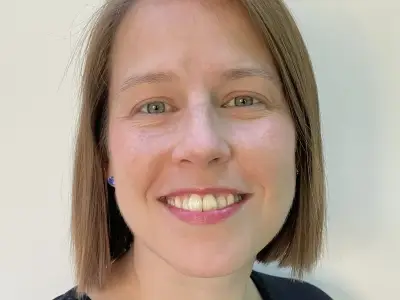
Kerri Douglas, a speaker and consultant on homelessness who slept rough for years, said she could not quite believe what she was hearing when she woke up to the news. Burnham has gone as far as to say that every rough sleeper in England will be offered accommodation this winter, alongside practical support for any health needs.
Douglas, who has spent the past twenty years campaigning to end homelessness, said it felt like she was finally being listened to. She knows exactly what it feels like when you do not have a home to go to.

A Decade on the Streets
Douglas started rough sleeping at 13 after leaving the care system and having no support. She spent more than a decade moving between the streets and temporary accommodation until she finally left homelessness behind aged 24.
As a teenager and young woman, she would sleep behind Charing Cross station, trying not to be seen for fear of being attacked, abused or told to move on. Sometimes she had no choice but to beg on the Strand for enough money just to get something to eat.
Wintertime was especially hard. Everyone seemed to be going somewhere – people were rushing home to their families, buying presents, meeting friends and getting ready for Christmas. But she did not have a home to go to, let alone a family to spend the festivities with.
The Importance of 'Crisis at Christmas'
One of the only things Douglas had to look forward to was 'Crisis at Christmas' – an initiative by the charity where they provide food, warmth, healthcare, and companionship to anyone experiencing homelessness across England, Scotland and Wales, during the festive period. Over the years, she found herself going there to have somewhere warm to sleep, get some food, a shower and clean clothes. People actually spoke to her like a human being, which meant everything to her.
Douglas said that sometimes we underestimate what it means to simply feel welcome somewhere when you have spent most of your life feeling like you do not belong anywhere. So, when Andy Burnham says he wants to get people off the streets by Christmas, she desperately wants this to work.
Lessons from the Past and Future Challenges
Many people will question whether it is really possible to end rough sleeping – but it has been done once before. During Covid, the Everyone In policy saw thousands of people who would otherwise be on the streets given somewhere to sleep. Politicians seemed to have woken up and realised that leaving people to suffer outside is not acceptable. The scheme proved that when there is enough funding and a genuine desire to improve people's lives, change is possible.
Douglas admitted she would be lying if she said she was not a little anxious about what happens next. Getting somebody off the street is not the same as ending their homelessness, which is often caused by a series of systemic failures – such as a deficit of social housing or poverty wages. She was not just a 'rough sleeper' who needed a short-term fix; she was a young girl carrying years of childhood trauma, having been through various foster and children's homes. When things got really difficult, she suffered from addiction and mental health struggles, which she needed support with – but she was offered none.
Life is very different for her now, but it does not work out this way for everyone. The latest figures show that there are over 175,000 children living in temporary accommodation. When you include hidden forms of homelessness, including people sofa surfing and particularly women sleeping rough who are often hidden from public view, the numbers are off the charts. Douglas hopes that Andy Burnham takes this reality into account so that his plan can succeed in the long term.
It is great to give people somewhere safe to sleep, but the aim should be to move them into a safe and permanent home in the long term, with the necessary support to move on from the trauma that comes with experiencing homelessness. Getting someone off the street is one thing – making sure they never have to go back is another.