
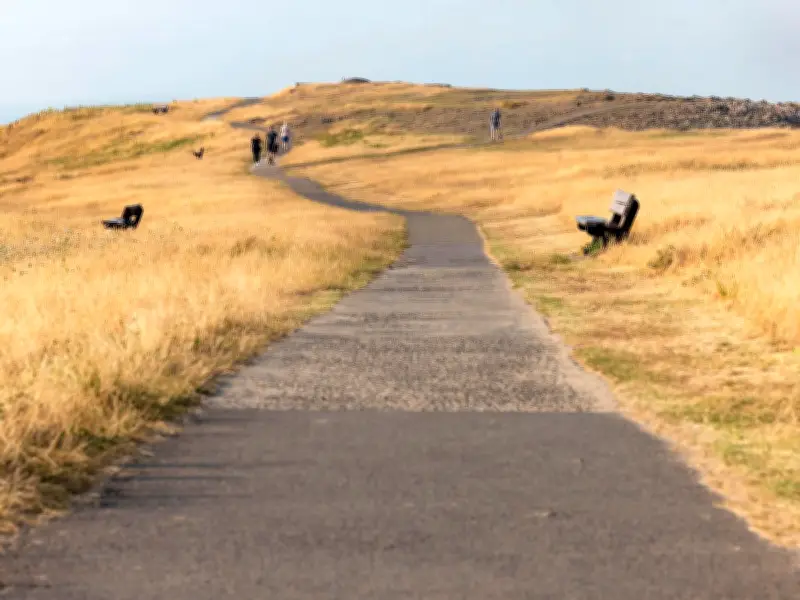
Natural Resources Wales (NRW) has declared a drought across the whole of Wales after weeks of hot weather and very little rain. The announcement comes just a week after drought was declared in north Wales and the Upper Severn. Officials say the dry conditions have now spread across the country.
Driest July in 190 Years
Wales has received only 8% of its normal rainfall during July, making this month likely to become the driest July since records began 190 years ago. Many rivers are now at extremely low levels, including the Wye, Usk, Teifi, Clwyd, Conwy and Cleddau. Groundwater supplies are also continuing to fall, NRW said on Thursday afternoon.
Pressure on Wildlife and Farming
The lack of rain is putting increasing pressure on wildlife, farming and the environment. NRW says it has received reports of drying riverbeds, fish struggling to survive, algal blooms and a high risk of wildfires. Farmers are also concerned about crops, grazing land and water supplies for livestock. NRW is releasing extra water from reservoirs where possible to help rivers and wildlife and is continuing to monitor conditions across Wales.
Warning from NRW
Rhian Thomas, sustainable water and nature manager at NRW, said: “The intensity of the heat and the exceptional lack of rainfall means this is a rapidly changing picture in Wales. Our teams are closely monitoring forecasts and river flows and responding to increasing environmental concerns and incidents across Wales. The toll on the environment, our land and agriculture is clear to see, with many of our teams still dealing with the aftermath of extensive wildfires which have devastated forestry, grassland and special habitats. With no strong indications for notable rainfall in the forecasts, and risks of further heatwaves over the summer, it’s more important than ever that we all use water wisely. Every drop we waste is less water for our rivers and wildlife when they need it the most.”
Outlook and Safety
NRW says there is little rain expected in the coming weeks and further heatwaves are possible this summer. The organisation is working with the Welsh Government, water companies and the Environment Agency to monitor conditions, including on cross-border rivers such as the Wye, Severn and Dee. People are also being asked to take extra care outdoors because the dry weather has increased the risk of wildfires. Anyone who sees a wildfire should move to a safe place and call 999 immediately. NRW says the drought highlights the growing impact of climate change, with hotter, drier summers expected to become more common in the future.




