Record Snow Drought in Western US Sparks Fears of Water Shortages and Wildfires
A record snow drought, fueled by unprecedented heat, is gripping most of the American West, threatening future water supplies, increasing vulnerability to wildfires, and harming winter tourism and recreation. Scientists report that snow cover and depth are at their lowest levels in decades, with at least 67 Western weather stations recording their warmest December through early February on record.
Unprecedented Snow Cover Deficits
Typically, snow cover at this time of year should span about 460,000 square miles—roughly the size of California, Utah, Idaho, and Montana combined. However, this year, it has shrunk to a mere 155,000 square miles, equivalent to just California, according to the National Snow and Ice Data Center. Mark Serreze, the center's director with nearly 40 years of experience in Colorado, expressed concern, stating, "I have not seen a winter like this before. This pattern that we’re in is so darned persistent."
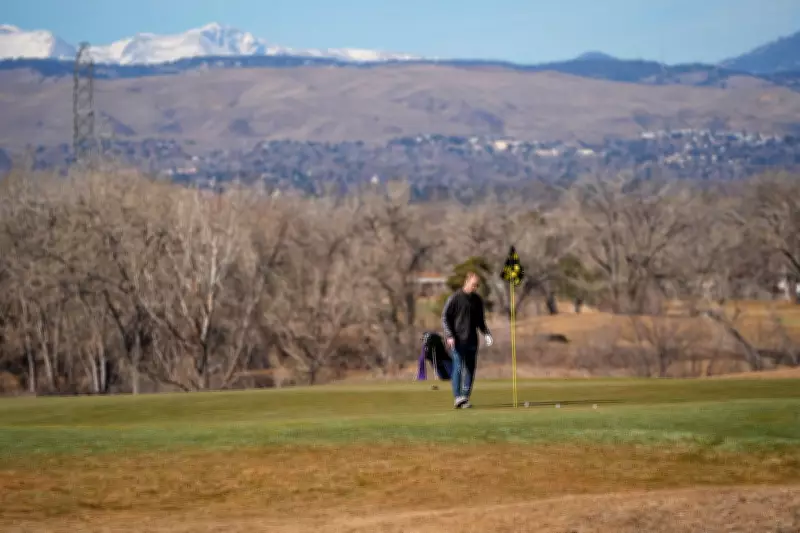
In Oregon, the snowpack—measured by water content—is not only at a record low but also 30% lower than the previous record, as noted by Jason Gerlich, regional drought early warning system coordinator for the National Oceanic and Atmospheric Administration. While the eastern U.S. battles snowbound conditions and abnormal cold, areas like West Jordan, Utah, are experiencing mild weather, with residents like Trevor Stephens lamenting the lack of snowboarding opportunities due to bare ground.

Impacts on Water Supply and Wildfire Risks
The persistent lack of snow is raising alarms beyond ski resorts, affecting water availability and wildfire preparedness. States such as Oregon, Colorado, and Utah have reported their lowest statewide snowpack since the early 1980s. A dry January has resulted in most states receiving half or less of their average precipitation, compounded by sunny days and higher-than-average temperatures that hinder snow accumulation.
California fares slightly better due to heavy December rains, but the Upper Colorado River Basin is at the epicenter of the snow drought. A robust mountain snowpack typically melts slowly in spring, providing steady water flow for agriculture, cities, and hydropower. However, the current deficit or potential rapid melt could lead to insufficient water replenishment for rivers like the Colorado later in the season. Daniel Swain of the University of California’s Water Resources Institute emphasized, "This is a pretty big problem for the Colorado basin."
Experts warn that the snow drought could trigger an early wildfire season. Daniel McEvoy, a researcher at the Western Regional Climate Center, explained that earlier snowmelt exposes ground to warmer spring and summer weather, drying soils and vegetation more quickly, thereby increasing fire risks.
Climate Change Connection and Temperature Records
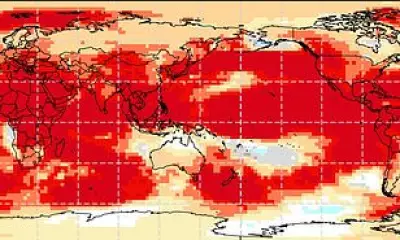
The record-low snowpack is primarily attributed to extreme warmth in the West, a trend linked to climate change from burning fossil fuels like coal, oil, and natural gas. Since December 1, over 8,500 daily high temperature records have been broken or tied in the region, according to NOAA data. Precipitation that would normally fall as snow and remain in mountains for months is instead falling as rain, which runs off more rapidly—a phenomenon scientists have long warned about with climate change.
Russ Schumacher, professor of atmospheric science at Colorado State University and Colorado State Climatologist, noted that while snowless periods occur occasionally, the extreme warmth makes this event more directly tied to climate change. McEvoy added, "It was so warm, especially in December, that the snow was only falling at the highest parts of the mountains. And then we moved into January and it got really dry almost everywhere for the last three to four weeks and stayed warm."

Future Outlook and Meteorological Predictions
Meteorologists anticipate wetter, cooler weather across the West this week, with some snowfall potentially marking the peak of the snow drought. However, temperatures are expected to remain above average in many areas, and scientists remain pessimistic about significant recovery. Schumacher commented, "I don’t think there’s any way we’re going to go back up to, you know, average or anywhere close to that. But at least we can chip away at those deficits a little bit if it does get more active."
This situation underscores broader environmental challenges, with the Associated Press noting support from the Walton Family Foundation for water and environmental policy coverage, while maintaining sole responsibility for all content.