
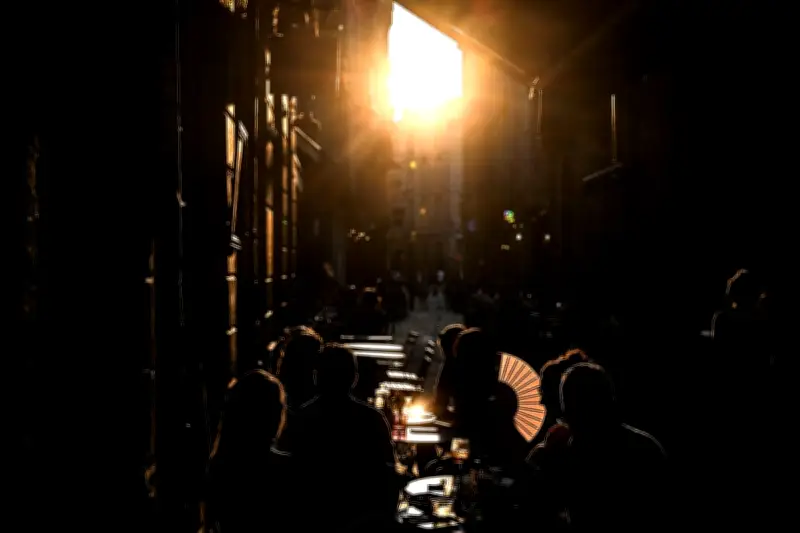
Western Europe has just endured its hottest June on record, according to scientists, as the region grapples with intense heatwaves, wildfires in France and Spain, and the United Kingdom entering its third heatwave of the year. The unprecedented temperatures have led to widespread drought conditions, health concerns, and disruptions to daily life across the continent.
Record-Breaking Temperatures and Their Impact
The European Union's Copernicus Climate Change Service reported that June 2026 was the hottest June ever recorded for Western Europe, with temperatures significantly above the historical average. This follows a trend of increasing heat extremes linked to climate change. In southern Spain, thermometers hit 40°C, while France saw multiple days of scorching heat that exacerbated drought conditions.
The heatwave has had severe consequences. In France, the Doubs River in Villers-le-Lac has dried up, revealing sandbanks under bridges in Loireauxence as drought worsens in western France. Wildfires have ravaged forests in France and Spain, forcing evacuations and straining firefighting resources. The Tour de France, currently underway, saw firefighters spraying water on spectators at the finish line of the sixth stage in Gavarnie-Gèdre in the Pyrenees.
Health and Daily Life Disrupted
Hospitals have been affected, with electric fans placed in corridors outside patients' rooms at the Victor Jousselin hospital in Dreux, northern France, to provide relief. People across the region are seeking ways to cool down: in Munich, Germany, residents take the tram in swimsuits after swimming in the Eisbach creek at the English Garden; in Pamplona, Spain, a woman cools off in the Arga River during the San Fermin festival; and in Barcelona, a man rests under a palm tree on a beach.
Tourists and locals alike are struggling with the heat. In Valencia, tourists queue at a water fountain to fill their bottles at the City of Arts and Sciences cultural complex, while in Rome, a tourist fills a bottle at the Barcaccia fountain in front of the Spanish Steps. In London, people shield from the scorching sun under umbrellas outside Buckingham Palace.
Expert Warnings and Future Outlook
Scientists warn that such extreme heat events are becoming more frequent and intense due to climate change. According to Dr. Samantha Burgess, deputy director of the Copernicus Climate Change Service, “The record-breaking June temperatures in Western Europe are a stark reminder of the accelerating climate crisis. Without urgent reductions in greenhouse gas emissions, we can expect even more severe heatwaves in the coming years.”
The heatwave has also highlighted the vulnerability of infrastructure and ecosystems. The dry bed of the Doubs River and the sandbanks in the Loire River are signs of prolonged drought that could affect agriculture, water supplies, and biodiversity. As the UK enters its third heatwave, authorities urge people to stay hydrated, avoid strenuous activities during peak heat, and check on vulnerable neighbors.




