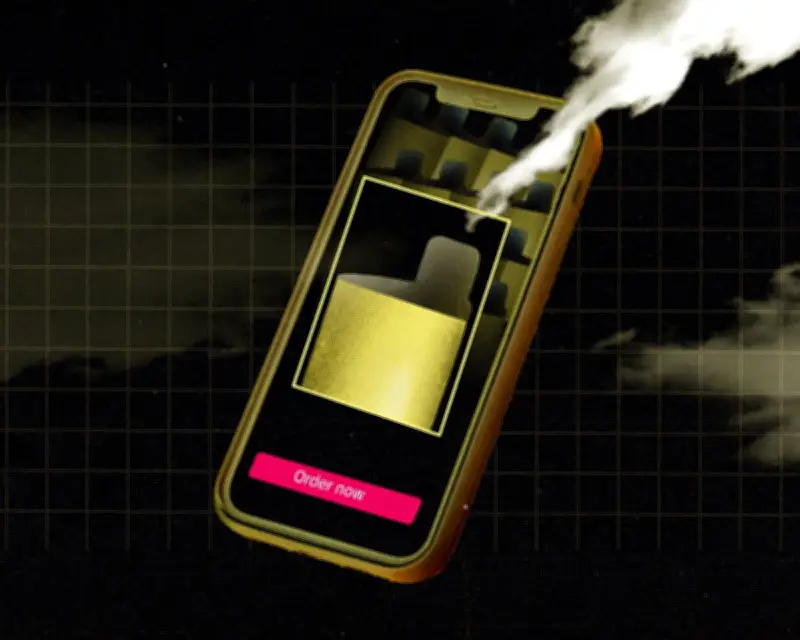
Illegal vape sellers have turned to social media to promote nicotine-filled products, with experts calling for a crackdown including stronger penalties for the platforms. Guardian Australia has identified a network of posts across TikTok, Instagram, and YouTube promoting the sale of illegal products to Australian audiences.
How the Ads Operate
The accounts posted promotional content offering to sell viewers popular vape brands, distributed from “local” stock held in Australian warehouses with express shipping, often claiming delivery within days. In most cases, the accounts directed viewers to place orders via private messages or guided them to encrypted messaging apps such as WhatsApp. There are similarities between many of the posts, including use of the same vision and editing techniques, suggesting a degree of coordination across the platforms. Some content also appeared to be AI-generated. In some instances, content has been boosted on TikTok as paid advertising.
Australia's Tough Laws
Australia has some of the world’s toughest anti-vaping laws. Introduced in 2024, the laws banned the advertising of vapes across all media platforms, including social media. The Therapeutic Goods Administration (TGA), which enforces the rules, said it “was aware of vaping goods being illegally promoted for sale through different online forums”. Between January 2024 and June 2026, it said it had “removed over 8,500 unlawful vape advertising posts from social media and redirected more than 390 websites unlawfully advertising vaping goods”. It has also issued more than 90 infringement notices, resulting in more than $1.5m in fines. The TGA said it “took signals of non-compliance seriously” and “worked closely with online platforms to deter and address alleged unlawful advertising”.
Experts Call for Platform Accountability
Despite the current laws, Prof Becky Freeman, a public health researcher at the University of Sydney, said the content was “so blatant, they’re not even bothering to hide it”. She said the posts continued to appear because accountability sat largely with individual sellers, rather than the platforms. Freeman called for “enforcement at the platform level as well as the individual ad level”, adding that “these platforms aren’t doing the job that they promised they would do”. “Rather than just this approach where we take these ads down … that whack-a-mole approach … the platforms themselves should be fined for allowing this content to go up in the first place,” Freeman said.
Platform Responses
TikTok, Instagram, and YouTube each confirmed the identified content violated their community guidelines. A TikTok spokesperson said accounts posting such material were in violation of rules that “prohibit trading, marketing, or providing access to tobacco, drugs, and other regulated substances”. The platform also said it was “constantly working to proactively identify, review, and remove content that violates our policies”, and urged users who saw “a video or account they believe shouldn’t be on TikTok … to report it in-app”. A Meta spokesperson said it also encouraged users “to report items that may breach our rules so we can review and take the appropriate action”. YouTube said the site “prohibited content that aims to directly sell, link to, or facilitate access” to illegal products and services. They said this rule also applied to content in a video’s description, comments, live streams, external links and verbal directions to users. In their responses, the three platforms said they had banned or terminated the accounts identified by Guardian Australia. Accounts that had posted the vape content did not respond to requests for comment.