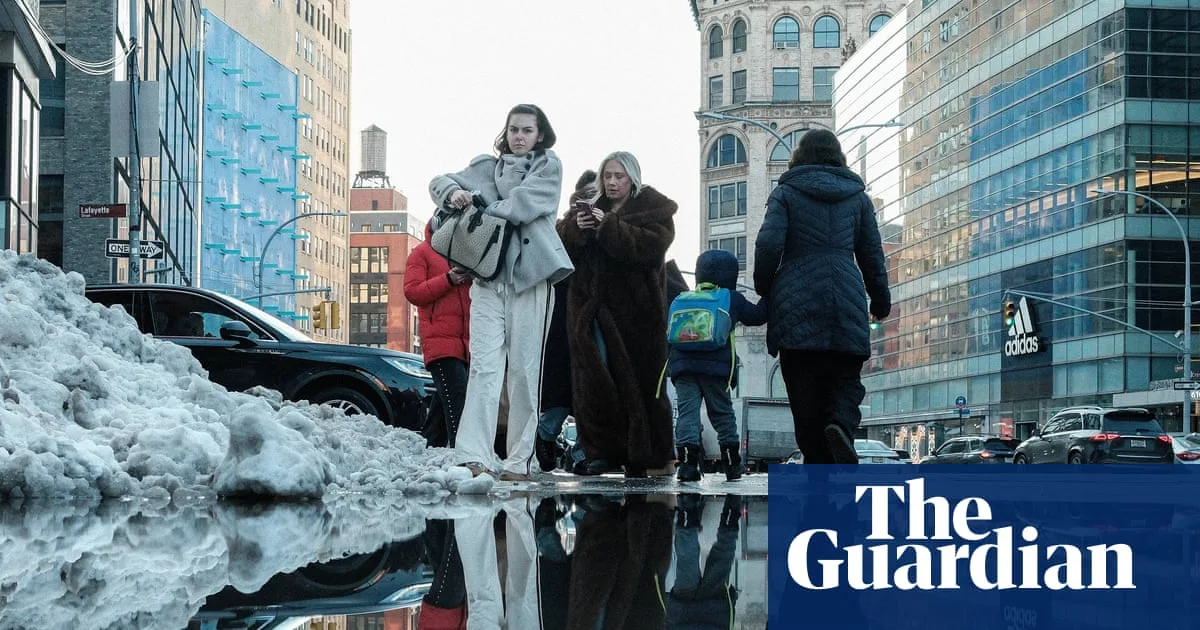
US Winters Contract by Nine Days on Average, Climate Study Finds
For millions of Americans who have endured a month of heavy snow and ice, this winter has seemed particularly harsh. However, new data from Climate Central, an independent climate science group, reveals that winters are actually becoming shorter in 80% of major US cities analyzed. Researchers examined 195 cities and found that winters are now, on average, nine days shorter compared to the period from 1970 to 1997, as the climate crisis intensifies.
Methodology and Regional Variations
In the study, analysts defined winter as the coldest 90 consecutive days annually during the baseline period of 1970-1997. They then compared this to winter-like temperatures in the most recent 28-year span, from 1998 to 2025. The findings show that temperatures characteristic of winter are arriving later and ending earlier nationwide than in the 20th century.
Regions experiencing the most significant average decreases in winter days include the US south-east, north-east, upper midwest, and south. Notably, Juneau and Anchorage in Alaska have seen the most dramatic reductions, with winters shrinking by 62 and 49 days, respectively. Conversely, approximately 15% of the 295 cities analyzed, particularly along the California coast and in the Ohio valley, have experienced longer winters.
Irony of Recent Severe Storms
This data emerges ironically amid one of the most brutal winters in recent memory, including a historic nor'easter blizzard this week, described by meteorologists as the strongest storm in a decade. Over 2 feet (61 cm) of snow fell in parts of the north-eastern US, with Rhode Island recording more than 3 feet (91 cm), surpassing totals from the historic 1978 blizzard.
Mathew Barlow, a professor of climate science at the University of Massachusetts Lowell, commented, "A shorter winter doesn't mean no winter. Another important piece of research is that we expect greater precipitation intensity as the climate warms." The storm caused widespread power outages and prompted temporary travel bans in states like New York, Massachusetts, New Jersey, Connecticut, and Delaware.
Climate Denial and Scientific Evidence
Many climate change deniers have used these recent storms to argue against global warming, with figures like Donald Trump questioning established climate science. However, January's storm was likely influenced by the stretching of the polar vortex, a phenomenon linked to extreme weather in the US. Research indicates that global heating may paradoxically accelerate this process.
Barlow dismissed such arguments as "ridiculous," stating, "If you wait for the cold day and say: 'Oh, it's cold' and ignore all the other warm days, that's not an honest attempt at assessing the data." Previous reporting confirms that single regional storms do not reflect long-term global trends, with winters in the US warming faster than other seasons.
Policy Implications and Environmental Impacts
Despite clear evidence of global warming, Trump's administration has prioritized dismantling environmental protections. On 12 February, the Environmental Protection Agency revoked the endangerment finding, a core scientific determination that enables regulation of climate-heating pollution. This policy, in place since 2009, allowed limits on emissions from vehicles, power plants, and industrial sources, prompting lawsuits from health and environmental justice groups.

Warmer, shorter winters have profound consequences, including reduced water supplies, lower summer crop yields, and worsening allergy seasons. Barlow emphasized, "These are not just impacts you see out the window; they affect ecosystems, natural community health, and water resources."
Economic and Social Challenges
Local economies face challenges from shorter winters, particularly the multibillion-dollar winter recreation industry. Rising temperatures and reduced snow cover have led to a 20% decline in ski resort visits in parts of Colorado due to severe snow drought.
Barlow added, "Extreme cold events will still occur, even if less frequently. As winter warms, we lose practice and resources to handle these events, making snow removal more difficult." This highlights the broader societal adjustments required in response to shifting climate patterns.



