
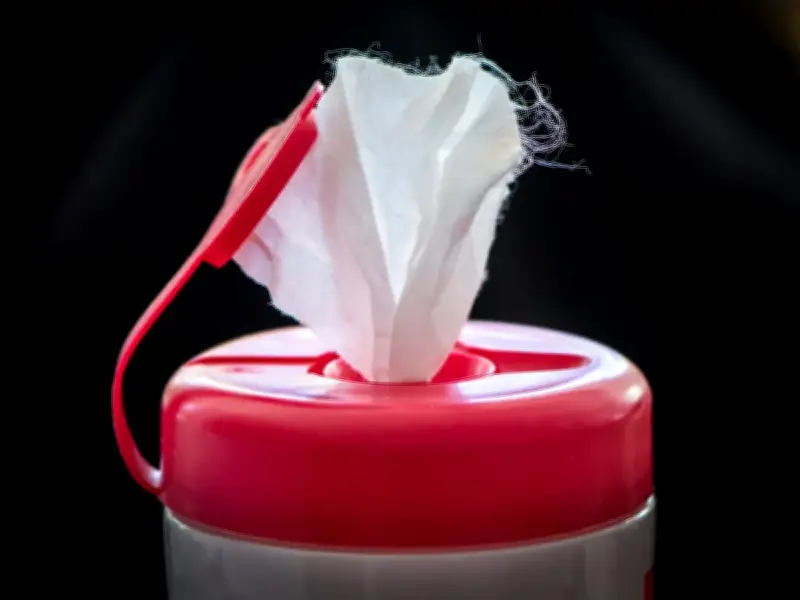
A ban on single-use wet wipes containing plastic is set to roll out across all four UK nations over the next year, starting with Wales on December 18, 2026. The ban aims to address a major cause of environmental pollution, as plastic wet wipes do not break down when flushed. Trillions of plastic fibres from discarded wipes end up clogging sewage systems, creating fatbergs, and polluting marine ecosystems.
Timeline for the ban across UK nations
Because environmental laws are managed independently by each devolved government, the restrictions will take effect on different dates across the regions. Wales will be first, followed by Northern Ireland, England, and Scotland.
- Wales: December 18, 2026
- Northern Ireland: May 18, 2027
- England: May 19, 2027
- Scotland: August 11, 2027
Once the deadlines pass, retailers will not be allowed to sell or supply traditional plastic-based single-use wipes. The restriction covers everyday items such as baby wipes, facial cleansing sheets, household cleaning wipes, and moist toilet tissues.
Which wet wipes are affected?
The ban applies to the online and in-store sale or supply of plastic-containing items in several categories. These include baby and child care products such as baby wipes and toddler wipes; cosmetics and skincare items like makeup removal wipes, face wipes, and cosmetic face sheet masks; personal hygiene products including moist toilet tissue, antibacterial hand wipes, deodorant and body wipes, and intimate hygiene wipes; and household cleaning products such as surface disinfectant wipes, kitchen counter wipes, bathroom cleaning cloths, and wet-mop wipes.
Exemptions and alternatives
Wet wipes will not disappear entirely from store shelves. Shoppers will still be able to buy reusable alternatives and single-use wipes made strictly from biodegradable, plastic-free materials such as bamboo or plant fibres. The legislation includes exemptions for plastic-containing wipes used in professional medical treatment, industrial manufacturing, and laboratory use. Registered pharmacies will be allowed to supply them over the counter to people who require them for specific health needs, because plastic fibres give wipes properties such as high durability, chemical compatibility, and superior moisture retention.
The government is advising businesses to prepare for the ban by reviewing their inventories. Selling banned stock after the regional deadlines could result in hefty financial penalties.
Why plastic wet wipes are being banned
Plastic wet wipes are being banned because they do not break down when flushed, causing blockages that account for 94% of UK sewer clogs and costing an estimated £200 million annually to clear. Instead of dissolving like toilet paper, these plastic-laced wipes bind with grease to form massive underground fatbergs, causing raw sewage to overflow into homes and rivers. They accumulate in large quantities on UK coastlines and riverbeds, slowly degrading into toxic microplastics that contaminate the marine food chain and poison aquatic wildlife.




