
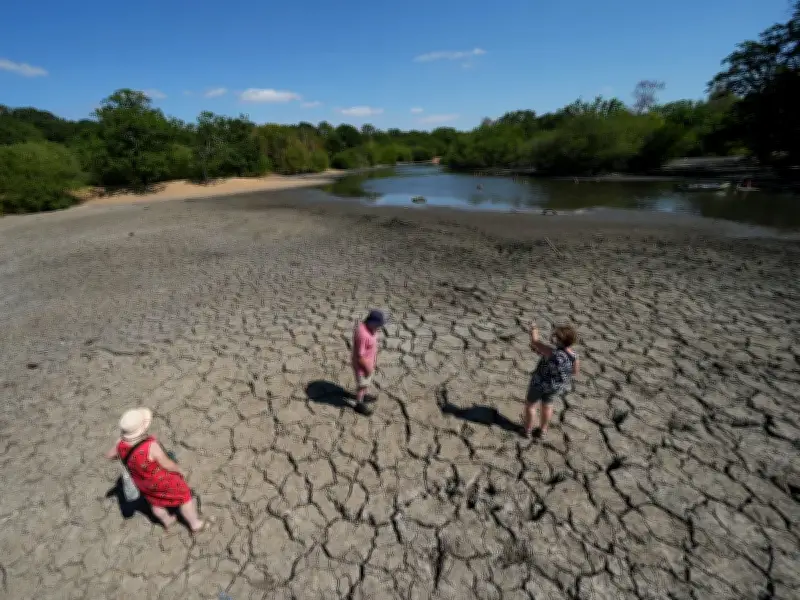
The UK experienced another heatwave this week, with extreme heat leaving parts of England in drought. Summer 2026 is now expected to be the warmest on record, according to the Met Office. Wildfires have broken out across the country, prompting Prime Minister Andy Burnham to ban the sale of disposable barbecues and call for a transition to "more clean energy" to "face up" to the "changing climate". As hotter temperatures become the new normal, the country must adapt in various ways.
Transport: Risk of System Buckling
Rail services can be disrupted as heat causes overhead lines to expand and sag, and rails to buckle. Problems could worsen without action, a campaigner warned. London bus drivers have announced strikes this month over working conditions in hot weather. The AA warned that extreme heat could impact the UK's deteriorating roads, as air temperatures in the low-to-mid 30s Celsius could lead to higher road surface temperatures, causing some to soften.
Michael Solomon Williams from Campaign for Better Transport said the system "could buckle" if changes are not made. He said: "There's a genuine risk that if the railways aren't made more resilient, in particular, and if the roads not made more resilient then the system will buckle. And, for example, if there is a big shift from one mode to another, if mainline railways buckle and people need to use roads then, if they've got the ability to use roads, then that overloads the road network and that suffers and vice versa."
Mr Williams explained the impact on essential services: "The result is people will by necessity be able to travel less." He called for targets to move the public towards sustainable transport, saying: "Most important thing we could do now is to set a target... a target to get a greater proportion of people using sustainable transport - that's public transport, shared transport such as car clubs and shared bikes."
NHS: Unprecedented Pressure
Nurses across England are collapsing at work and suffering seizures due to extreme heat, the Royal College of Nursing warned this week. The NHS typically sees increases in A&E attendees in summer, but health chiefs say this year has seen unprecedented pressure.
David Williams, deputy director of policy at the NHS Alliance, said too much of the NHS is not designed for extreme heat and warned urgent changes are needed if temperatures keep rising. He said: "Too much of the NHS estate is run down, with crumbling buildings and dilapidated equipment in need of urgent repair. Many facilities are not designed to cope with extreme temperatures, and the hot conditions in hospitals and GP surgeries has an impact on the wellbeing of both patients and staff."
Mr Williams said hospitals are spending more money on hiring air conditioning units, but warned this is a temporary fix. He added: "It's clear that NHS organisations will have to adapt their premises to become more resilient to extreme weather events, and plan for them. The NHS has done a brilliant job delivering record levels of activity in really uncomfortable conditions during this summer's heatwaves. But the challenge the high temperatures have placed on the service should not be downplayed."
Workers' Rights: Calls for Legal Maximum Temperature
There is no legal maximum working temperature in the UK, as some jobs always involve hot environments, such as bakeries or foundries. However, employers must ensure safe working conditions, including risk assessments for access to water and adjusting work schedules if necessary.
The Trades Union Congress wants new legislation to allow workers to legally stop work above a maximum workplace temperature of 30°C, or 27°C for strenuous jobs. TUC General Secretary Paul Nowak said: "As the climate crisis makes heatwaves more common, the UK needs to adapt. That means new laws on maximum working temperatures, improvements to workplaces to keep them cool, and ambitious climate action to tackle the problem at its root."
A Health & Safety Executive spokesperson said: "There is already a legal duty for employers to properly assess the risks to workers from extreme heat - and we provide practical steps employers can take to keep workers safe." A Government spokesperson said: "We have no plans to introduce a mandatory maximum workplace temperature. The Health and Safety Executive has shared guidance for employers to plan for and support those working in extreme heat to keep workers healthy and safe."
Housing and Farming: Adaptation Challenges
UK homes are built to trap warmth in winter, but fewer than 5% have air conditioning. Rightmove research shows searches for homes with air conditioning were up 104% compared with last year. However, housebuilders say air con is unlikely to become standard, as building regulations focus on passive cooling methods like windows and natural airflow. A Home Builders Federation spokesperson said: "If consumers and political decision makers require air conditioning to be included, house builders will do so in the same way solar panels and heat pumps are now standard. However, as a result of taxes, policy requirements and material prices, the cost of delivering a new home has increased by an average of £76,000 in the past five years."
In farming, the National Farmers' Union called on the government to prioritise water for food production, citing wildfires in France and Spain as demonstrating the risks of relying on food imports. NFU President Tom Bradshaw said: "This is one of the most severe droughts many farmers and growers have lived through. Harvest yields are looking poor, farmers are struggling to access water to irrigate fruit and vegetables, and livestock farmers are having to use grass they cut this spring for their stores of winter feed for cattle as there's very little grass growing now." He added: "If this summer teaches us anything, it is that we must prioritise food production. We have taken food production for granted for too long; we must create a more resilient food system to feed the 29 million households across the country, and we can't produce food without water."
Water: Infrastructure Under Scrutiny
Water companies face accusations of prioritising shareholder dividends over fixing leaks, while paying large executive bonuses and raising bills. Water UK said companies are investing a record £105 billion into infrastructure between now and 2030, arguing climate change has increased pressure. But campaigners want water networks brought into public ownership.
Ash Smith of Windrush Against Sewage Pollution said: "The point is that the infrastructure should have changed already because the crisis is upon us. Privatised water has been talking about the need to prepare since at least as early as the mid 1990s - yet all they did was sell reservoirs for profit and rely on sucking dry aquifers to make up for the shocking waste of water through pipe leakage."
Prime Minister Andy Burnham has previously said he wants "greater public control" of water and energy sectors. A debate in Parliament is scheduled for September 14 after more than 170,000 people signed a petition demanding a referendum on public ownership of water. Kim Waters of the Sewage Campaign Network said: "When you've ignored infrastructure for a long time... now we pay for the sins of the past. But that means there's no better time to start to fix this than today."
A Water UK spokesperson said: "We understand increasing bills is never welcome, but the money is needed to fund vital upgrades to secure our water supplies, support economic growth and end sewage entering our rivers and seas. No new reservoir has been built in more than thirty years because Ofwat and previous governments blocked them. Water companies have finally been given approval to build nine, plus a tenth already under construction at Havant Thicket."
An Ofwat spokesperson said: "We have taken decisive action to support delivery, including setting up the Regulators' Alliance for Progressing Infrastructure (RAPID) to accelerate progress and approving £2 billion in 2024 for more than 30 major infrastructure projects, including nine new reservoirs. Water companies now have the funding and regulatory support to deliver the infrastructure needed to secure resilient water supplies for future generations - and we expect them to deliver at pace."




