
The UK is experiencing a return of sweltering weather, with temperatures potentially reaching 38°C this week. The Met Office has issued a red alert for hot weather covering London, the Midlands, the South East, and Cardiff, effective from Wednesday, June 24. The extreme heat poses health risks, especially for vulnerable individuals, prompting experts to recommend simple and affordable measures to keep homes cool.
Tin Foil as a Cooling Solution
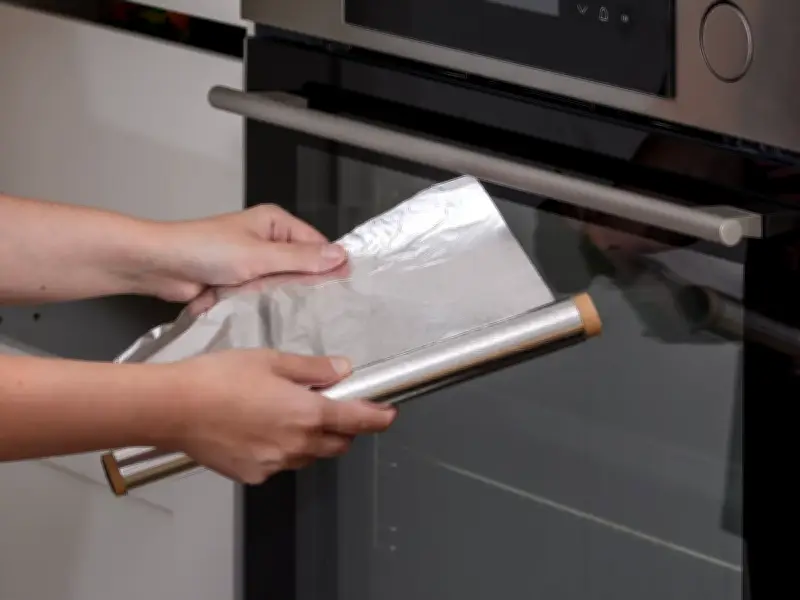
British Gas has advised households to use tin foil on windows as a cost-effective method to combat the heat. A standard roll of kitchen foil, priced at around £1.20 from supermarkets like Asda, Tesco, Morrisons, Sainsbury's, and Aldi, can be used. For better results, more advanced reflective foils available in homeware stores are recommended. The foil works by reflecting the sun's rays away from the window, preventing the greenhouse effect that amplifies heat indoors.
Jessica Rawstron, a British Gas Smart Energy Engineer, explained: "This is an affordable and super effective tool for keeping your house cool in summer by keeping the sun's rays at bay. It's not very expensive and widely used in hotter climates, and it can reduce heat and glare by up to 99%." She added that reflective window film can also provide privacy, protect furniture from UV damage, and maintain natural light levels.
Proper Application and Alternatives
Adam Pawson, Head of Digital at Safestyle, emphasized the importance of correct placement: "Blocking your windows with tin foil will help to keep your rooms cooler in the heat as it reflects the heat back outside. However, one mistake people make is by placing the foil on the inside of the window. It is really important to be careful to place the tin foil on the outside of your windows rather than the inside to prevent the glass from getting too hot."
An alternative method is to keep windows open while curtains are drawn to block direct sunlight, though this is less effective than foil. Other tips include opening windows and doors only during cooler evening hours, positioning bowls of water around the house to cool the air through evaporation, and using houseplants that release moisture through transpiration.
Additional Energy-Saving Tips
To further reduce indoor heat, switch off unused appliances, as even devices on standby generate heat. Charge phones and other electronics overnight to avoid adding warmth during the day. Replace traditional halogen bulbs with energy-saving LED lights, which produce significantly less heat and also lower electricity bills. Keeping lights off when not needed further helps maintain a cooler environment.
With the heatwave expected to persist, these simple measures can help households stay comfortable and safe without incurring high costs.




