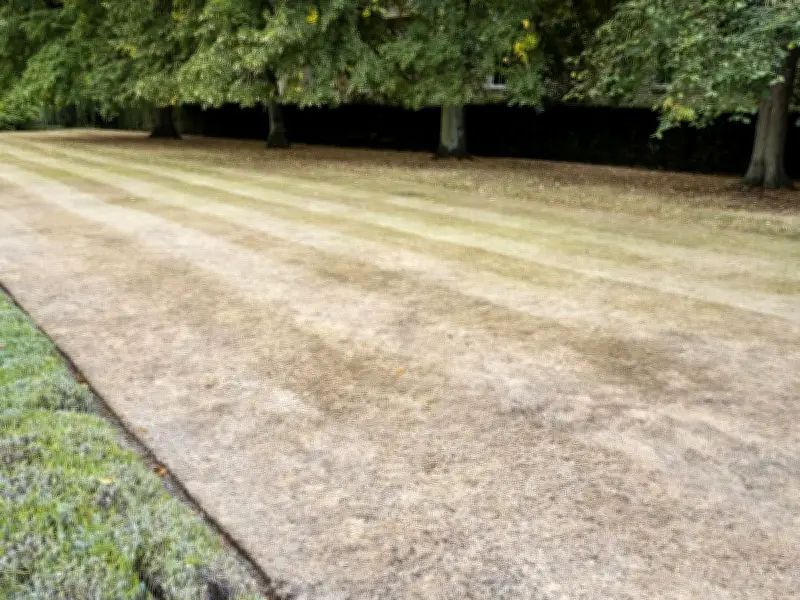
Certain areas of the UK have entered drought conditions as gardeners struggle to determine which plants will endure the heatwave and which have already seen their time.
This summer has been characterised by seemingly relentless dry spells, with the driest July on record recorded at just 7%. Consequently, people's outdoor efforts have suffered considerably, prompting many to seek guidance from specialists on their next steps.
Plants that may survive the heatwave
Horticultural experts at GardeningExpress.co.uk are offering gardeners advice on which plants are genuinely worth saving and those unlikely to withstand the soaring temperatures and absence of rainfall.

According to the specialists, established perennials, trees and shrubs stand the best chance of surviving the drought-like conditions, while anything planted recently will struggle to cope with the prolonged heat.
You may also notice signs of heat damage through scorched or prematurely falling leaves, though this needn't necessarily be cause for alarm and could simply be superficial harm.
Plants unlikely to recover
Several plants can be nursed back to health through deep watering, mulching, deadheading and pruning, however for certain varieties, the intense heat will have eliminated any prospect of recovery.
Beloved summer plants that are unlikely to pull through despite their striking colours include rhododendrons, azaleas and camellias. These acid-loving evergreen shrubs flourish in moist conditions and depend heavily on rainfall for their growth and development, making this prolonged heat particularly detrimental to them.
Container plants and hanging baskets are also amongst those with little chance of pulling through. Unless you've been regularly watering them, these plants are likely to be parched and wilting by now, and unfortunately there is little that can be done at this stage.
Vegetables are similarly vulnerable; once they've 'bolted', there is no means of reviving them. Bolting occurs when a plant shoots up a tall flower stalk and produces seeds prematurely, resulting in a bitter, woody taste.
Plants that can recover with care
That said, a number of plants do stand a reasonable chance of recovery, and these are the ones worth tending to once the weather improves. Lawns are a prime example; despite grass appearing the most weather-beaten in the heat, it will recover after a "decent spell of rain" and return to a healthy green.
Well-established perennials, shrubs and trees, thanks to their deep root systems, should bounce back once temperatures drop and watering resumes. Any apparent signs of deterioration are likely to be superficial rather than seriously harmful to larger plants, so patience is key.
Rose bushes will be under considerable strain, and as you notice leaves and buds dropping, there is no need to panic. With regular rainfall and consistent watering, they should recover in due course.
Horticulturist Chris Bonnett summarised: "This summer has been unlike any other. The heat has been intense, but more alarming has been the lack of rain - and our gardens have really taken a hit."
"As a general rule, those plants more recently added to your garden are those least likely to survive. They won't have the root systems of more established plants and will be less likely to recover from the drought conditions."
"Established plants may look beaten by the weather right now - there are lots of brown lawns, dropping and dead leaves and lots of dead blooms - but they will recover with gentle care and pruning and once we get some rain."