
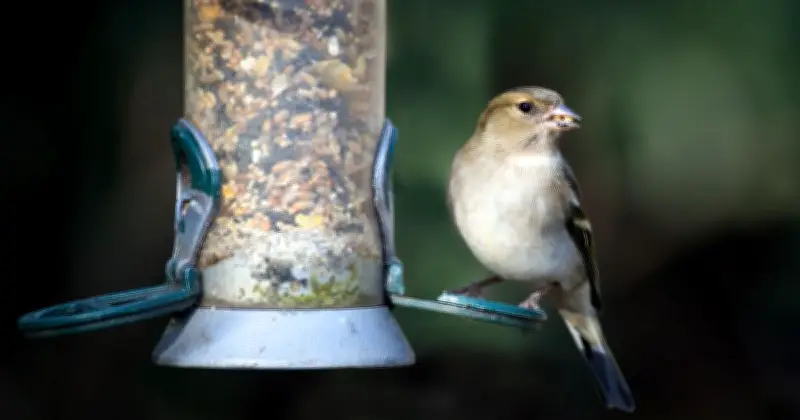
UK garden birds are facing a serious threat from a highly contagious disease called trichomonosis, which is contributing to population declines among some of the nation's most beloved species. The Royal Society for the Protection of Birds (RSPB) has issued guidance to help the public reduce the spread of this illness.
What is Trichomonosis?
Trichomonosis is caused by a parasite that spreads rapidly where birds gather in large numbers, such as at bird feeders and bird baths. Species like greenfinches and chaffinches have been particularly badly affected in recent years, experiencing major population declines. The risk of transmission is higher during summer and autumn when birds congregate at feeding stations.
How to Help Reduce the Spread
The RSPB recommends several simple changes to feeding practices to protect birds:
- Stop feeding seeds and peanuts between May 1 and October 31. These foods attract large flocks, increasing disease risk.
- Offer alternative foods such as small amounts of mealworms, fatballs, or suet, which are less likely to draw big groups.
- Clean feeders and bird baths at least once a week with hot soapy water and a bird-safe disinfectant.
- Move feeders regularly to different locations in the garden to prevent birds from gathering in one spot.
- Avoid bird tables or flat-surfaced feeders where contaminated food can accumulate.
- Provide only enough food for one or two days and keep it dry.
- Change water daily if using tap water; a natural pond is the best water source for birds.
Expert Advice
Beccy Speight, CEO of the RSPB, stated: "We're not asking people to stop feeding, just to feed in a way that protects birds' long-term health." The RSPB emphasizes that feeding can continue safely if the right foods are offered at the right time of year.
Other Birds at Risk
Starlings are now classified as a red-listed species due to an 82% decline in the UK breeding population between 1970 and 2022. Possible causes include reduced grassland and insect availability due to modern farming, as well as loss of nesting sites from new housing developments.
By following these guidelines, gardeners can help safeguard the future of UK garden birds while still enjoying the benefits of feeding.




