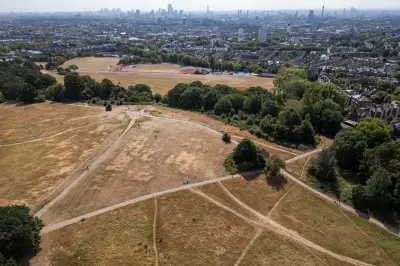
The National Farmers' Union (NFU) has issued a stark warning that the UK could face mass food shortages in 2027, with next year's food production at risk without "immediate government action." British farmers are described as being "at a financial crisis point" due to two key factors: the UK's worst drought in 50 years and the ongoing war in the Middle East.
NFU calls for urgent support
NFU president Tom Bradshaw said: "We have brought farming organisations together to agree the urgent action and investment needed to keep businesses afloat, protect next year's food production and safeguard long-term food security." Vast parts of England were declared to be in a drought this summer.
Bradshaw added: "Defra's strategic commitments last week were a welcome and important step towards building greater water and long-term resilience on farms," but stressed that "farmers face an immediate crisis in cashflow and confidence."

Drought and disease hit harvests
"Rain has come too late for lost harvests and slashed yields, while livestock farmers are dealing with the worst bluetongue outbreak to reach our shores," Bradshaw said.
Helen Wakeham, Director of Water at the Environment Agency and Chair of the National Drought Group, noted that the hot and dry weather means water is currently being used faster than nature can replenish it. "A second consecutive summer drought is an exceptionally serious situation and one that will have long-lasting impacts on our environment, wildlife, and the economy," she said. "We want everyone to stay safe and hydrated during the hot weather but every drop we can save is a drop more for nature and agriculture."
War drives up costs
The US-Iran War has added further complications for farmers. The NFU said the national nitrogen fertiliser bill could increase by £303 million a year, with the red diesel bill also set to rise by £200 million. Nitrogen fertiliser is a key item driving growth in cereals and oilseeds, two crop groups grown extensively in the UK, and is essential for achieving high yields.
Bradshaw concluded: "Farmers in England are now without the breathing space once provided by direct payments and are increasingly exposed to geopolitical shocks, as well as repeated weather extremes, animal disease and global wars."