
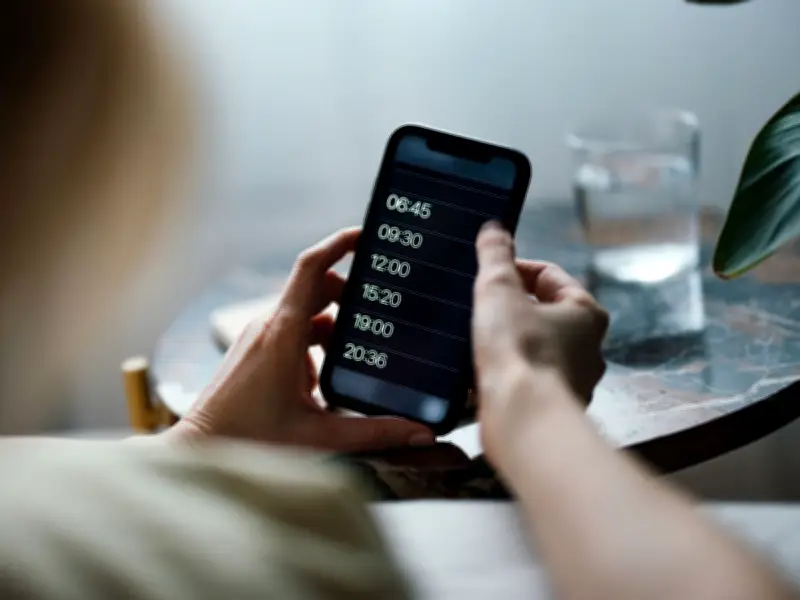
The clocks will go back one hour at 2am on Sunday, October 25, 2026, moving the UK from British Summer Time (BST) to Greenwich Mean Time (GMT). This change grants an extra hour of sleep, but mental health experts caution that the disruption can worsen conditions like Seasonal Affective Disorder (SAD).
When and How the Clocks Change
According to gov.uk, the clocks go forward one hour at 1am on the last Sunday in March and back one hour at 2am on the last Sunday in October. This year, the spring forward occurred on March 29. The period with BST provides more daylight in the evenings, while GMT returns standard time with earlier sunsets.
Sleep Gain and Health Myths
While gaining an hour of sleep sounds beneficial, Change Mental Health warns that the body's internal clock does not adjust immediately. The myth that the extra hour compensates for sleep debt is false; the disruption can lead to sleep disturbances and increased daytime sleepiness for several days.
Mental Health Risks
The charity notes that clock changes can exacerbate SAD symptoms due to shorter days and reduced daylight. This may lower mood, decrease energy, and increase feelings of sadness, fatigue, and even suicidal thoughts. The earlier sunsets also limit outdoor activities and social interactions, fostering isolation and social withdrawal.
Tips to Cope with the Clock Change
To mitigate these effects, Change Mental Health recommends maintaining a consistent daily routine, especially for sleep and meals. Staying active, spending time outdoors in natural light, and staying connected with friends and family can help regulate mood and combat loneliness. Relaxation techniques like deep breathing, meditation, or mindfulness are also suggested for managing stress.
Seeking Help
For mental health support, the Hub of Hope lists UK organisations and services by location. In urgent cases, the NHS advises calling 999 or going to A&E. For non-emergency mental health help, contact NHS 111 online or call 111. The NHS emphasises that mental health is as important as physical health.




