Doing a two-minute squeegee routine after every shower can keep bathroom mould at bay, even in homes without an extractor fan. The simple job removes excess water from tiles and the shower screen, cutting the moisture that mould spores need to grow.
Why Bathrooms Are Mould Hotspots
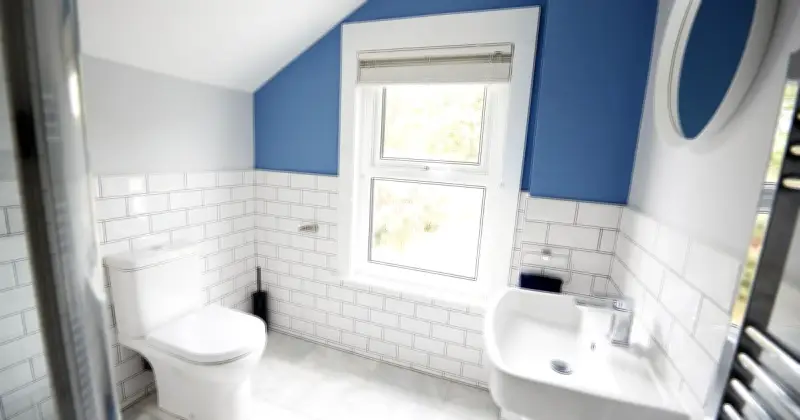
Bathrooms, especially showers, are prone to mould because they combine warmth, moisture and limited ventilation. Daily showering and bathing release large amounts of hot steam, raising humidity in the air. Without an open window or extractor fan, moisture lingers on walls, tiles, grout and ceilings, leading to damp and then mould.
Grout, which is often cleaned less regularly, allows mould to take hold quickly. Keeping the bathroom ventilated is especially important heading into the winter months.

The Two-Minute Squeegee Routine
In a bathroom without an internal fan, one crucial job is keeping mould away. While the window is kept open nearly 24/7, the wet tiles in the shower are squeegeed after every shower or bath. This stops mould growing because it removes excess water from the tiles and shower before it can be absorbed or linger on surfaces.
Mould needs moisture to grow, so quickly clearing it from tiles and the shower screen reduces the humidity and dampness that spores thrive on. Squeegeeing the shower screen also prevents water marks and limescale from forming, keeping it clean.
Tools and Extra Humidity Control
The job takes only two minutes, and the routine has kept the bathroom free of mould despite having no extractor fan. Squeegees are widely available, including at supermarkets and DIY stores, though some prefer buying them online for around £8, choosing metal-handled versions for durability.
Another method to reduce humidity at home is using a dehumidifier, which is especially important in winter when doing laundry indoors. Dehumidifiers extract moisture from the air that would otherwise settle on walls. Baking soda and salt can also act as natural dehumidifiers on windowsills and near humidity sources if changed regularly.
For watermarks on shower screens, limescale can be removed with lemon juice and bicarbonate of soda. Lemon juice is naturally acidic and helps break down cloudy marks, while baking soda is slightly alkaline and can help remove soap scum and grime.