
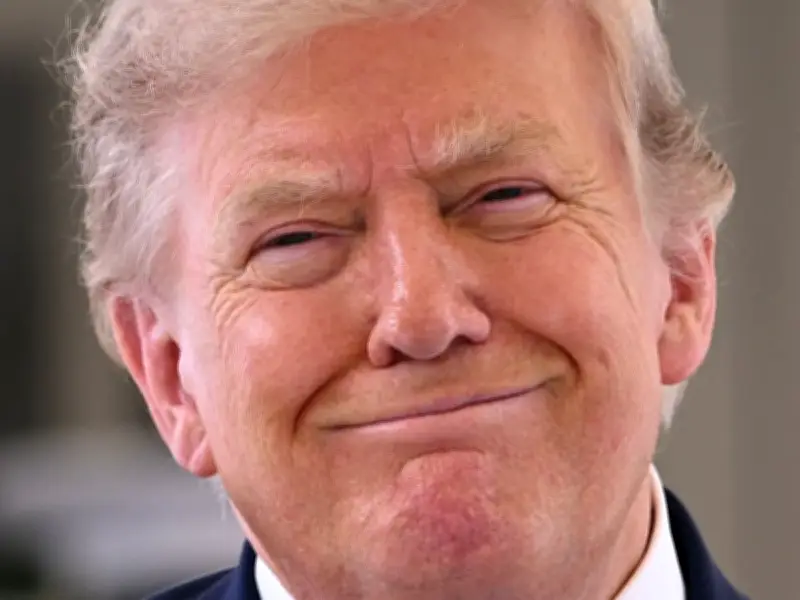
Andy Burnham's first phone call with Donald Trump received cautiously positive reviews from both leaders, but the US president came away with a clear impression that the mayor would do something he had been urging Keir Starmer to do for months.
Trump told reporters, including GB News presenter Bev Turner, that Burnham said he was going to open up the North Sea. "If he does that, you're going to be a wealthy country, if he does that reasonably," Trump said in the Oval Office.
Burnham's Actual Words
However, Burnham's actual comments were less definitive. The prime minister later said he had "indicated" to Trump that he would be "pragmatic" about North Sea drilling, but the government's position remains that there will be no new drilling licences. Any expansion would likely come from "tie-backs" – limited expansions of already approved sites.
As long as Trump remains unaware of this nuance, Burnham can enjoy the president's perception that he is useful to him.
Trump's Information Filters
The article notes that Trump is not a transactional president; his interest in people is based on whether they can benefit him on a given day. He relies on filtered information from Fox News or printed reports from aides, and is unlikely to have seen Burnham's less committal remarks.
The White House press corps, particularly its British contingent with a right-wing bent, may be the source through which Trump eventually learns the discrepancy.
Three Options for Burnham
Burnham faces three choices: immediately pick a fight with Trump, which would be popular at home but of little long-term benefit; invest heavily in nurturing the relationship, as Starmer did with some success but limited benefit; or present himself as an honest, plainspoken person, which might appeal to Trump and require less political capital.
The latter approach seems closer to Burnham's style and may be just as effective at insulating Britain from Trump's unpredictable reactions.




