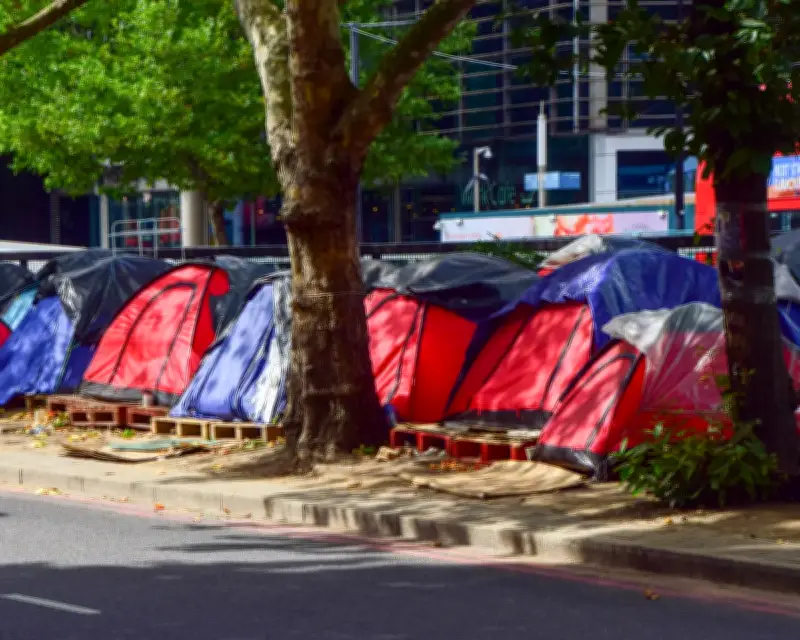
Readers have responded to Andy Burnham's pledge to get all rough sleepers off the streets by Christmas, with many urging a focus on root causes and prevention rather than simply providing temporary accommodation.
Personal experience highlights complexity
Dr Sabrina Cohen-Hatton, chief fire officer for Hampshire and Isle of Wight Fire and Rescue Service, wrote that as a vulnerable teenage girl carrying her life in a rucksack, she was the person Burnham describes people walking past. She said that experience taught her that homelessness is far more complex than rough sleeping alone, and that ending it takes more than getting people off the streets.
While getting everyone in for Christmas is an important ambition, lasting success means preventing people from reaching crisis point and giving those who do the practical support and opportunities they need. She was lucky: public sector work gave her structure, stability, and someone willing to believe in her potential.

Prevention-first approach needed
Housing must sit alongside education, healthcare, employment and social mobility, giving people not just somewhere to live, but a genuine route to stability, independence and opportunity. This is why charities and initiatives such as Homewards, with a collaborative, prevention-first approach, are so important.
Solving homelessness takes joined-up support, earlier intervention, and a belief that people need routes into housing, work, health, safety and belonging. As Burnham rightly says, homelessness is a problem to solve, not step around. Prevention must be at the heart of that solution.
Home Office role in homelessness
Imran Hussain from the Refugee Council said the prime minister's pledge to end rough sleeping is admirable, and he is right about the importance of catching people "long before they hit the pavement". But to succeed, the Home Office must confront its role in creating homelessness. Last year, around 21,000 households in England needed homelessness help after eviction from Home Office accommodation.
Research by the Refugee Council and others has highlighted how delayed documentation, inadequate support and too little time to find accommodation leave refugees facing homelessness and destitution within weeks of being given leave to stay in the UK. Current plans making refugee status more precarious, putting refugees in thousands of pounds of debt and further restricting asylum support will only worsen this. Until the Home Office stops pushing refugees on to the streets, ending rough sleeping will be out of reach.
Mental health and housing first
Dr Charles Dixon, a psychiatrist from Exeter, said he has seen an increasing number of patients with severe mental health difficulties ending up homeless, with local councils concluding they don't have a duty to house them as they have made themselves "intentionally homeless" by failing to stick to the rules. This is usually because the patient has used drugs on the premises and is evicted from temporary accommodation.
They are then expected to demonstrate three months of abstinence while being street homeless before they can try again for accommodation, with no understanding that housing will aid their ability to get off drugs. While he has some sympathy for the local authority's position, we need a system that thinks housing first, with recognition that reducing drug use takes time and requires wraparound support from mental health and drug services.
Until that happens, he fears Burnham's new initiative will result in accommodation being found, but the patient quickly falling foul of the rules, and local authorities washing their hands of them again.