
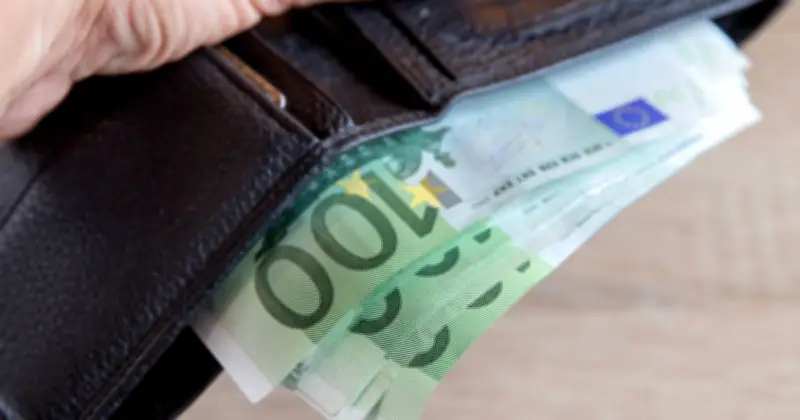
The Pound has surged to a 10-month high against the Euro, touching €1.162 on Wednesday morning – its strongest position since August 2025. Currency specialists are urging Britons to "buy your holiday money now" as Sterling strengthens, offering enhanced purchasing power for travellers, importers and overseas property buyers.
What's Driving the Sterling Surge?
Experts attribute the rally to several factors, including expectations that UK interest rates will remain elevated compared to the Eurozone. Higher UK bond yields and a widening interest-rate gap between the Bank of England and the European Central Bank (ECB) have made Sterling more attractive to international investors. Meanwhile, softer economic momentum and declining inflation pressures across the Eurozone have weighed on the single currency.
Markets have also responded favourably to a more stable political environment following the recent US-Iran peace agreement, according to analysts.
Expert Advice: 'Buy Your Holiday Money Now'
Prem Raja, head of trading floor at Currencies 4 You, said: "Buy your holiday money now. The Pound is having one of its strongest periods against the Euro in almost a year. Holidaymakers, overseas property buyers and importers are the big winners as their money goes further abroad."
He added: "The question now is whether it lasts. While the recent move has been driven by stronger UK data and a weaker Euro, currency markets remain vulnerable to economic surprises and geopolitical developments. For now, Sterling holders will be enjoying the extra spending power."
Political and Economic Context
Tony Redondo, founder at Newquay-based Cosmos Currency Exchange, noted that markets appear to be giving Andy Burnham, the expected new Prime Minister, the benefit of the doubt. He said: "On the Pound side, elevated UK bond yields remain a key driver while the carry trade still matters: the 10-year gilt yield sits 63% above the German Bund and 29% above the French equivalent, drawing capital into the Pound versus the Euro provided global sentiment stays constructive, currently helped by the US-Iran peace accord."
Redondo added: "Still, it's early days in the UK's transition, with key risks ahead including a leadership contest or coronation, a snap election, and the next Chancellor's identity. Winners: UK businesses importing from the EU, British holidaymakers heading to the Med, and anyone buying property on the continent."
Winners and Losers
Paul Denley, CEO at London-based Oakham Wealth Management, highlighted that while holidaymakers and importers benefit, exporters lose out. He said: "Sterling's strength reflects several converging forces. The Bank of England's policy rate sits around 150 basis points above the ECB's, making Sterling attractive to yield-hungry investors. UK data has also held up better than expected, while the Euro has faced its own headwinds from softer growth and a stronger dollar."
Denley cautioned: "Whether it lasts is another question. Exchange rates are notoriously difficult to forecast and this move has been driven as much by shifting expectations as fundamentals. If the rate gap narrows, that tailwind fades. Winners include holidaymakers, importers and businesses buying overseas. Losers include exporters, overseas earners, and UK investors with global exposure, whose foreign assets translate back into fewer pounds."
Caution Ahead
Nouran Moustafa, practice principal and IFA at Roxton Wealth, warned that a single misstep from the incoming government could reverse progress. She said: "Sterling is rising for two reasons: markets are pricing in a calmer UK political handover, and the Euro is weakening as investors expect the ECB to be less hawkish than the Bank of England. The Pound has not suddenly been given a vote of confidence."
She added: "It is a relative trade. Investors are looking at a possible pro-business, fiscally disciplined team in Westminster and comparing that with softer Eurozone momentum. Will it last? Only if the next government makes the numbers add up. Any sign of unfunded spending, higher borrowing or a messy leadership process could reverse it quickly. The winners are British holidaymakers, importers and anyone buying in Euros. The losers are UK exporters, businesses paid in Euros and overseas visitors, because Britain becomes more expensive."




