
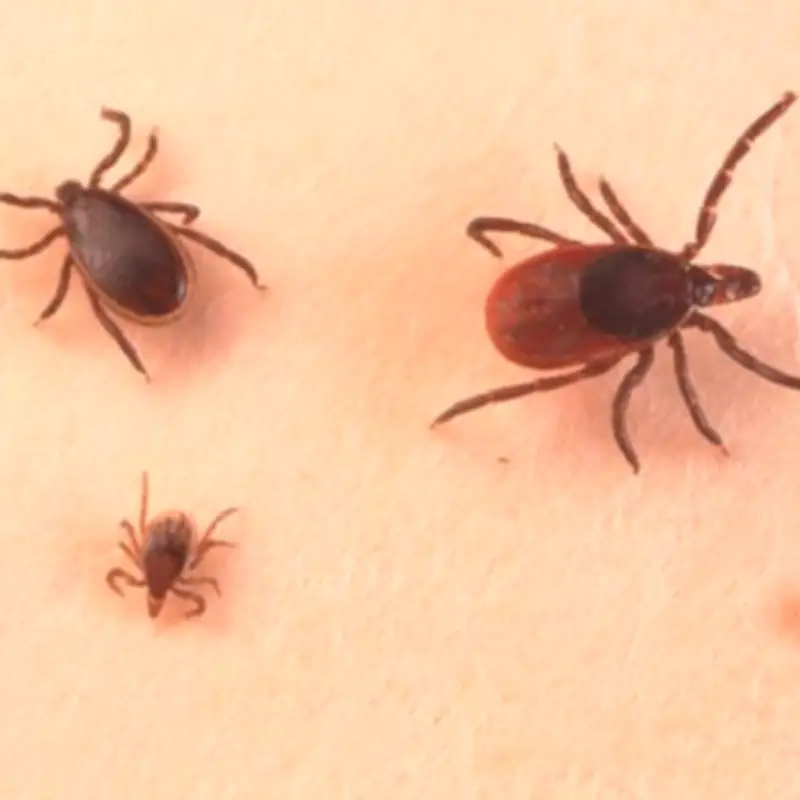
Ticks are causing significant problems in parts of north Wales, with experts linking a rise in reported bites to the recent heatwave. These small, spider-like creatures feed on the blood of birds and mammals, including humans, and can transmit diseases such as Lyme disease.
Surge in Tick Reports
Anecdotal evidence from areas along the west Gwynedd coast suggests that ticks are particularly abundant this year. Social media reports over the past week include a woman who removed 35 unattached ticks from a single dog and a man who claimed to have been targeted by 20 ticks so far this year, according to North Wales Live.
Expert Insights
Dr. Andrew Nelson, Zoonoses Lead at Public Health Wales (PHW), noted that tick activity varies annually based on environmental factors such as weather, vegetation growth, and wildlife abundance. Warmer weather also encourages more outdoor activities, increasing human-tick encounters. While PHW is aware of increased reports, it remains unclear whether this reflects a genuine population surge or heightened awareness and reporting after warm weather.
Prevention and Removal Advice
To reduce the risk of tick bites, experts recommend the following measures:
- Avoid walking through long vegetation and stick to clearly marked paths.
- Wear clothing that covers the skin, including long sleeves and trousers.
- Tuck trousers into socks and opt for light-colored clothing to spot ticks easily.
- Use insect repellents containing DEET.
- Check yourself, children, and pets for ticks after spending time outdoors.
If a tick is found, remove it promptly using fine-tipped tweezers or a tick removal tool. Grasp the tick as close to the skin as possible and pull upward with steady, even pressure. Do not twist or jerk, as this may cause the mouthparts to break off and remain in the skin.
Lyme Disease Awareness
Tick bites are often painless and may cause only a small red lump. However, a distinctive 'bullseye' rash can indicate Lyme disease, though one in three cases do not present with this symptom. Anyone developing a rash or flu-like symptoms after a tick bite should consult their GP. In England and Wales, around 1,500 laboratory-confirmed cases of Lyme disease are reported annually, with an additional 1,000–2,000 diagnosed clinically. Approximately 4% of ticks carry the infection, and studies estimate that 1% to 5% of tick bites result in Lyme disease.
Pet Owners Take Note
Dogs are particularly vulnerable to tick infestations. One dog owner reported finding both dogs covered in ticks after visiting Harlech beach, while a farmer noted that cattle and sheep appear to be heavily infested. Regular checks and prompt removal are crucial for pets as well.
Seasonal Activity
Tick season typically runs from April to October, but ticks can be active year-round in suitable conditions. The UK Government emphasizes that most tick bites do not cause Lyme disease, but prevention remains the best strategy.




