
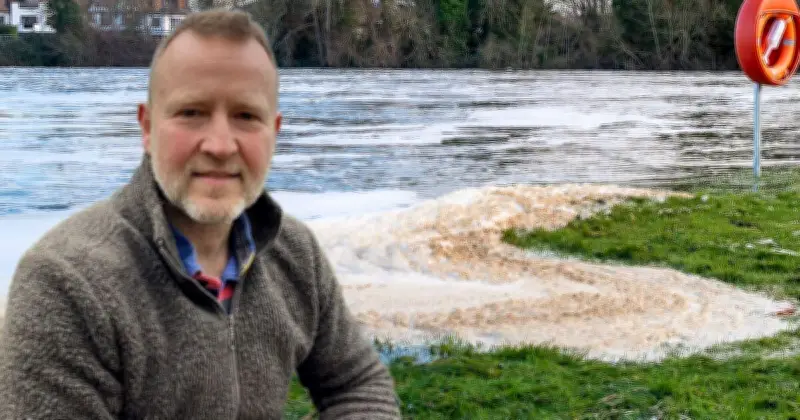
Thames Water is criminally polluting rivers while demanding leniency, a travesty that must finally be brought to an end, writes James Wallace. The UK's largest water company, carrying nearly £20 billion of debt, is locked in restructuring negotiations that could see up to £749 million paid in fees to creditors and advisers. Meanwhile, the company has discharged sewage into waterways for more than 123,000 hours since the start of the year.
Political Shift on Thames Water
Andy Burnham's campaign in the Makerfield by-election has helped shift the political dial on the future of Thames Water, bringing the case for intervention into the mainstream. The Environment Secretary this week opposed Thames Water's latest market-led £10 billion rescue plan, warning the proposals “don’t do enough to protect consumers and the environment.” The government is right to put public interest first and must now follow words with decisive action.
Financial Engineering at Public Expense
A company providing essential water and wastewater services to 16 million people should not be a money-making machine for international markets. Yet years of excessive borrowing, financial engineering, and regulatory failure have left Thames Water in that position. Hedge funds and distressed asset investors are like vultures picking over the bones, searching for fresh flesh to enrich financiers at the cost of water quality and public health.
Thames Water has repeatedly breached environmental standards yet has the cheek to ask Ofwat to let them pollute without further fines until 2030 as part of the current rescue deal. This amounts to a public subsidy for the destruction of our treasured rivers and the communities that depend upon them.
Special Administration Regime: The Solution
Parliament anticipated such circumstances when it created the Water Industry Special Administration Regime 30 years ago, designed for situations where a water company is unable to fulfil its obligations to customers and meet statutory and regulatory responsibilities, including environmental. Yet Ofwat has so far been unwilling to use this regime to protect customers and the public interest.
Some claim special administration would amount to a taxpayer bailout or take money from the NHS. That is simply wrong. Thames Water would continue operating and generating revenue from customer bills throughout the process – it is a geographic monopoly with guaranteed income. Water would still flow from taps, wastewater services would continue, and the abysmal sewage pollution track record can start to be reversed.
The real bailout is what we are seeing now – a failing company burdened with massive debt, desperately searching for new financing while creditors, bankers, and advisers collect hundreds of millions of pounds at the expense of bill payers. To rub our faces in it, Thames Water investors are demanding leniency on their criminal pollution: no fines for years while they pollute and extract yet more pounds of flesh from this emaciated utility.
Restoring Accountability and Public Trust
Special administration would give the utility the opportunity to stabilise, restructure, and invest in the public interest rather than service ever-growing debt. The debate should focus on what structure for Thames Water would best secure public benefit and environmental protection in the future. The immediate priority is restoring accountability, public trust, and critical infrastructure. We should be guided by Independent Water Commissioner Sir Jon Cunliffe’s recommendation to attract long-term, low-risk, low-return investors that could include mutual, municipal, not-for-profit, or public ownership models.
For too long, water companies have operated in a system where environmental damage has been tolerated, regulatory enforcement has been inadequate, and investment in critical infrastructure has fallen short. The consequences are visible in rivers, lakes, and coastal waters across Britain.
Legal Action and the Need for Intervention
That is why River Action launched legal proceedings seeking clarity from the government about when the Special Administration Regime will actually be used for a failing water company like Thames Water. If not Thames Water, and if not now, then who and when? The time for debate is running out. The government and Ofwat should act now to place Thames Water into a Special Administration Regime. Clarifying the policy would demonstrate to the wider industry that failing water companies will face meaningful intervention.
Parliament created the Special Administration Regime. Thames Water should be the first company to enter it. The question now is whether ministers will act or risk yet more outrage from an already disenfranchised electorate.
James Wallace is CEO of River Action




