As summer draws to a close across the UK, cleaning specialists at Ashbre Taylored Services have revealed a straightforward, cost-free technique to deep clean wooden flooring using just a few tea bags. Dust that settles on wooden floors during the warmer months can harbour minuscule grains of sand, grit or other damaging particles, which can scratch the timber like sandpaper when dragged underfoot.
Why tea bags work
The specialists explained that many commercial cleaners contain harsh chemicals that can damage floor finishes and pose risks to health and the environment. They noted: "Fortunately, there's a simple and effective solution right in your pantry: black tea."
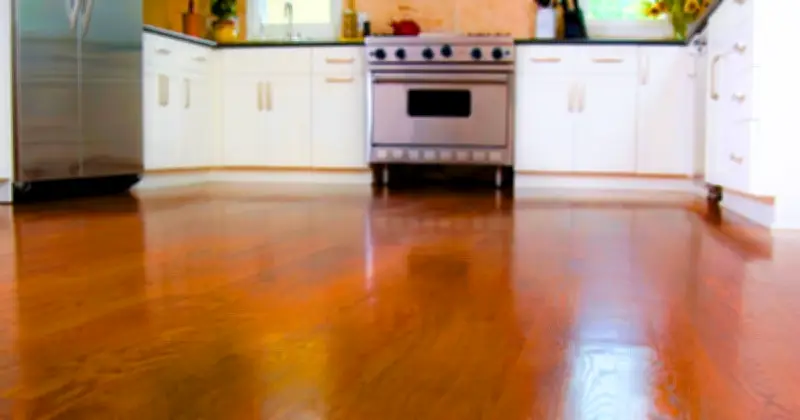
Tea bags contain tannins, a mild acidic plant compound that dissolves grime while remaining gentle on the flooring surface. This method also enhances the timber's natural hue, making it appear richer and helping to conceal light scuff marks. Floors can look considerably shinier and more polished without any additional cleaning products in the mop bucket.

Ingredients and method
To use this method, you will need one litre of water, two to three black tea bags (or two to three tablespoons of loose leaves), 120ml of white vinegar (optional), and a few drops of essential oil (lavender or lemon).
White vinegar can help cut through grease, but it should be used with care as it can dull or damage certain wooden surfaces even when heavily diluted. Spot-testing any natural cleaning solution is advised, particularly with vinegar. Essential oils can make a home smell wonderful, but most are highly toxic to cats and dogs, so pet owners should avoid adding them.
To begin, boil the kettle and pour hot water into a basin, add the teabags, and allow the solution to steep for 15 to 20 minutes until it cools to room temperature. Boiling water should never be used on wood, as it can cause expansion and warping.
Once cooled, transfer the solution into a mop bucket, adding vinegar and essential oil if desired. Dip the mop and wring it out thoroughly so it is damp rather than wet, as saturating the floor will cause damage. Work in small sections, ensure no puddles remain, and allow the floor to dry naturally. Within a few minutes, the floor should be gleaming with minimal effort.