
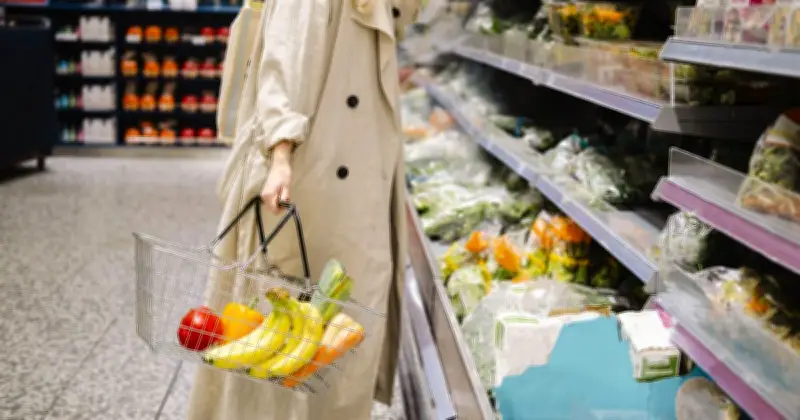
Earlier this week, the UK's Environment Agency announced that around half of England was facing drought conditions after a prolonged period of hot weather. Temperatures have remained well above 20°C with little rainfall, leaving parts of the country dry and barren. Hosepipe bans are now in place for millions of people, and there are growing fears of food shortages in supermarkets due to drought affecting farmers' production.
Supermarket Strategies
Professor Angelina Sanderson Bellamy, Professor of Food Systems at UWE Bristol, explained how supermarkets may react. She said: 'Most supermarket supply chains will either accept produce to a lower cosmetic standard during drought conditions or can supplement reduced supply from the UK with produce from elsewhere in the world, so it is not often that consumers experience the production shortfalls.'
She noted that UK farmers are already seeing reduced yields, including much smaller heads of cauliflower and broccoli. 'A larger impact will be felt by the farming community as a result of reduced cereal yields and pasture growth. This will reduce farmers' income, especially if they have to rely on winter silage or supplementary feed, both of which will introduce additional costs for production.'
Products at Risk
Chris Clowes, executive director at global supply chain consultancy SCALA, added: 'Immediate widespread shortages remain unlikely. Retailers will typically protect their core product lines, meaning consumers are more likely to see fewer varieties, more imported alternatives, higher prices and temporary limits on selected products.'
Mr Clowes suggested that if drought conditions persist, supply of products such as lettuce, cucumbers, tomatoes, and strawberries is likely to come under significant pressure. He noted that farmers have been vocal about potential shortages, and poor harvests can lead to low availability on supermarket shelves within days.
Food Security Letter
The comments come as major supermarkets including Tesco, Aldi, Waitrose, Co-op, and Sainsbury's signed a letter to Prime Minister Andy Burnham urging him to make food security a priority. The letter warns that each new shock places greater pressure on a struggling system and urges the government to strengthen the UK's ability to withstand global events affecting food supply.
The letter stated: 'Each new shock lands on a food system with less capacity to absorb it. British production of fruit and vegetables has fallen 16% since 2015, and we now import 78% of our supply. The next food shock is not a question of if, but when.' It encourages the introduction of a Good Food Bill to grant food policy a solid statutory platform and set targets for healthier, more sustainable food access.




