
At least 12 seemingly healthy people aged 35 and under die each week in the UK from undiagnosed heart conditions, according to experts who describe sudden cardiac arrest as a major, preventable public health emergency. In the US, about 2,000 people under 25 die each year from sudden cardiac arrest, while in Australia, on average one person under 35 experiences a sudden cardiac arrest every day, with most dying.
Families left in shock after sudden death of healthy children
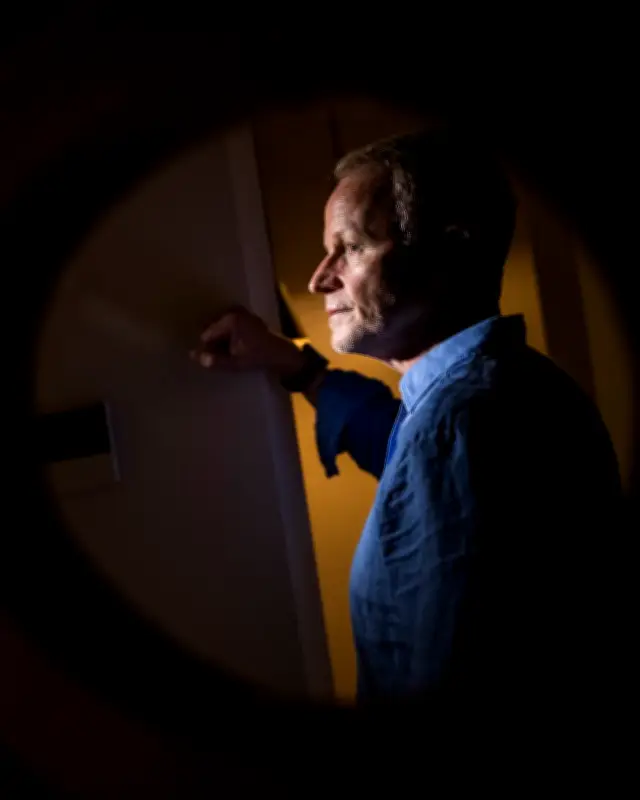
Gordon Thoms lost his 23-year-old daughter Alexandra to sudden cardiac arrest in 2023. She had been healthy, active, and ambitious, but died in her sleep from an undetected arrhythmogenic cardiomyopathy. "It's just such a shock to the families," says André La Gerche, academic cardiologist and head of the Heart Laboratory. "The child goes off to school and doesn't come home, or goes to bed and doesn't wake up."
Sudden cardiac arrest is statistically rare but ranks among the leading causes of death for children and young adults, surpassing deaths from car accidents and various cancers. The fatality rate is extreme, with studies putting it at 90%. Over the past 50 years, cardiovascular disease death rates have dropped by 80% due to public health campaigns and advances, but the rate of sudden cardiac death among young Australians has remained virtually unchanged.
Understanding sudden cardiac arrest
Sudden cardiac arrest occurs when the heart's electrical signals malfunction, causing the heart to quiver and stop pumping oxygen-rich blood to vital organs. In children, inherited arrhythmias are typical; in older teenagers and young adults, inherited structural abnormalities called cardiomyopathies are more common. About 40% of fatal cases have no obvious cause found at autopsy, classified as "unascertained."
Elizabeth Paratz, cardiologist at St Vincent's Institute of Medical Research, explains: "A sudden cardiac arrest is dramatic. That's when the heart stops suddenly and you need resuscitation. It's an endpoint." For families, identifying a genetic cause adds complexity, as it may affect siblings and other relatives.
The paradox of exercise and defibrillator access
Belinda Gray, director of the genetic heart disease clinic at Royal Prince Alfred hospital, notes the "paradox of exercise": while it protects overall cardiovascular risk, it increases the risk of sudden death for elite athletes. About 10% to 15% of sudden cardiac deaths occur during or immediately after exercise. Danish footballer Christian Eriksen survived two collapses on the field thanks to immediate CPR, a defibrillator, and an implantable cardioverter defibrillator.
Charities like Heartbeat of Football push for defibrillators at community sporting grounds. Widespread automated external defibrillator (AED) availability could push survival rates from 10% to about 20%, according to cardiologists. In August 2024, 12-year-old Xavier Arruzza collapsed at soccer training in Sydney's south-west. Bystanders performed CPR and used an AED, delivering three shocks that revived him. His mother, Rose, says: "Without the defibrillator, I don't think he'd … I am one of the lucky ones."
South Australia is the only state to mandate AEDs in public buildings. Heartbeat of Football board member Angelo Tilocca says every state should follow and that all school children should learn CPR and defibrillator use. About half of EU countries require CPR training for a driving licence; Japan and Sweden provide comprehensive school training.
Genetic testing gaps and family impact
Danielle Green lost her nine-month-old son Sonny to sudden cardiac death in 2021, with cause marked unascertained. A year later, her daughter Airlie survived a cardiac arrest at five months and had a defibrillator implanted, but died at 18 months from gastro-triggered cardiac failure. Genetic testing later revealed a rare PPA2 disorder in both children. Green says: "It makes me think, how many deaths are classified incorrectly?"
Richard Bagnall, head of cardiovascular research at the Centenary Institute, says targeted postmortem genetic testing can identify at-risk family members. "If you find a variant that caused the death, you can answer the two questions that almost every family will ask: why did this happen and how can we prevent it from happening again?" No Australian state mandates genetic testing in such cases.
After Alexandra's death, it took the Thoms family nearly two years to identify the genetic cause. Her brother Charlie, now 24, has the same cardiomyopathy and now has an implanted defibrillator. Gordon Thoms describes the process as "long, cumbersome and stressful." Jodie Ingles, cardiac genetic counsellor at the Garvan Institute, says referral systems are "a total mess," with unequal access between metropolitan and regional areas and socioeconomic groups.
Call to action
Gordon Thoms set up Alexandra's Mission to prevent cardiac deaths in young people. "This is not about blame," he says. "It's about leadership, and recognising sudden cardiac arrest for what it is – a major, preventable public health emergency." Experts urge increased awareness, funding for research, mandatory defibrillators in public places, and genetic testing after unexplained deaths to save lives.




