
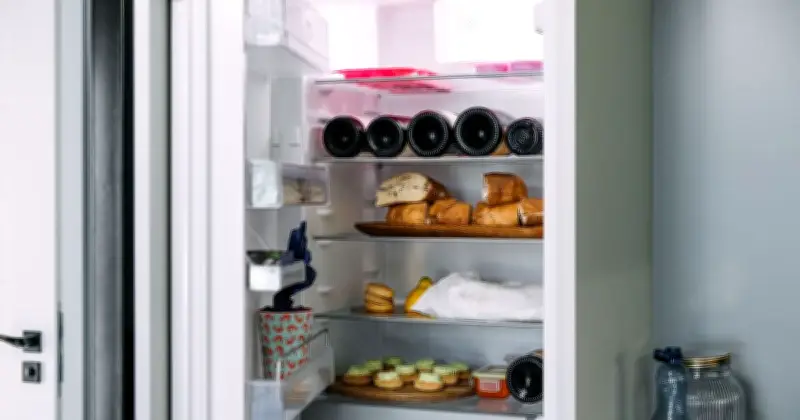
Refrigeration expert Jade Golding-Gault from AO has advised that leftovers must be left to cool for 30 minutes before being placed in the fridge, especially during a heatwave. Putting piping hot food directly into the refrigerator can raise its internal temperature, forcing the appliance to work harder and potentially compromising other foods stored inside.
Why Immediate Refrigeration Is Harmful
Golding-Gault explained: “When temperatures rise, you might be tempted to store leftovers away immediately, but this does more harm than good. Putting piping hot food straight into the fridge can raise the fridge's internal temperature, forcing it to work harder and potentially affecting other foods inside.” She added that it is best to let food cool slightly before refrigerating, ensuring it is not forgotten and is stored once it has cooled.
Refrigerators are designed to maintain temperatures at or below 4°C to inhibit bacterial growth. Introducing a large, hot object acts like a radiator, radiating heat and raising the ambient temperature of the entire fridge compartment. This pushes surrounding foods, such as milk, meat, or prepared lunch items, into the Temperature Danger Zone, which ranges from 8°C to 63°C. By trying to protect hot food, one inadvertently compromises the safety of other items already in the fridge.
Moisture and Spoilage Risks
Hot food releases significant water vapour. If the container is covered and placed in the fridge while hot, the steam condenses on the lid and drips back onto the food, making it soggy. If left uncovered, moisture escapes into the fridge, condensing on cold shelves, walls, and other food packages. This moisture, combined with a temporary spike in warmth, creates an ideal environment for mould and spoilage.
For large food items, the fridge compressor may not pull heat out quickly enough, leaving the centre of the food dangerously warm for hours while stored on the shelf. Over time, this practice can also strain the appliance, potentially leading to earlier repair or replacement.
Practical Advice
To avoid these issues, Golding-Gault recommends leaving leftovers to cool for about 30 minutes before refrigerating. This simple step can prevent food poisoning and preserve the quality of both the leftovers and other items in the fridge. While it requires a little extra effort, it is a crucial food safety measure, particularly during hot weather.




