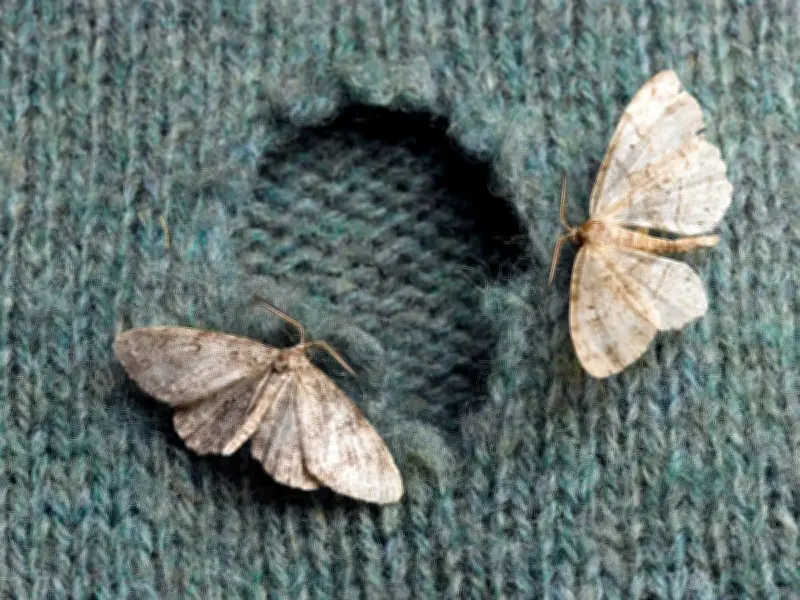
A simple homemade mixture of white vinegar and water can help tackle clothes moths when cleaning wardrobes and storage spaces. The combination is recommended as a natural, chemical-free option for scrubbing hard wooden areas inside a wardrobe when signs of moth eggs or larvae have been discovered.
For a straightforward mixture, combine one part white vinegar with three parts water in a spray bottle. Lightly apply it to suitable hard surfaces inside an empty wardrobe, then wipe the area down and allow it to dry properly before putting clothes back.
Focus on the wardrobe, not the garments
The key is to concentrate on the wardrobe itself rather than soaking garments. Shelves, corners, rails and other hard surfaces can all be given a thorough clean, helping to remove dirt and anything else that could provide an attractive hiding place.

Clothes moth larvae are the real culprits when it comes to damaged clothing. English Heritage explains that the larvae hatch from eggs and begin feeding on fibres, creating holes in clothes and other textiles.
Why wardrobes become a moth hotspot
English Heritage's research has found that clothes moths favour dark, undisturbed areas, while Lambeth Council says the pests can commonly be found close to infested items in dark areas of closets. That makes giving the wardrobe a thorough clean a sensible part of keeping the pests under control.
Start by taking everything out and vacuuming around the bottom and edges of the wardrobe, as well as shelves and other difficult-to-reach areas. English Heritage recommends regularly vacuuming these areas and checking clothes for moths around crevices, creases and folds.
Give your clothes some attention too
Cleaning the wardrobe is only one part of the job. Clothes should be checked carefully before they are returned, particularly woollen jumpers and other natural-fibre garments that can be vulnerable to clothes moth larvae.
Lambeth Council advises brushing clothing along seams, folds and pockets, saying this can destroy eggs and expose larvae to light. It also recommends laundering or dry-cleaning affected items.
English Heritage similarly advises making sure clothes are clean before storing them and recommends keeping garments in vacuum bags or sealed boxes where appropriate. It also suggests taking hanging clothes out of wardrobes and shaking them at least once a month because moths dislike being disturbed.
So, if you are worried about moths making a meal out of your clothes, a bottle of diluted white vinegar could be a cheap addition to your wardrobe-cleaning routine. Combined with regular vacuuming and other everyday chores, this could extend the life of your garments.