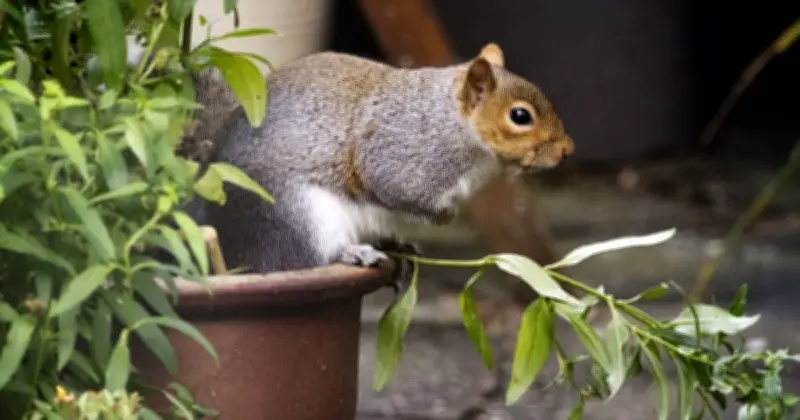
As autumn approaches, squirrels and mice become more active while preparing for colder weather, often digging up lawns and flower beds in search of food or shelter. According to experts at Pest Defence, a simple kitchen cupboard item can help deter them: peppermint oil.
Why peppermint oil works
The experts explained that squirrels have a keen sense of smell, which is crucial for finding food and avoiding dangers. "Any strong, unfamiliar or even irritating odour will disrupt their behaviour, sometimes even driving them away," they said. The same applies to mice, which also rely heavily on their sense of smell.
Unlike vinegar, which can be unpleasant to humans and harm lawns and plants, peppermint has a tolerable scent yet is effective when used correctly. Gardeners can mix their own solution by diluting pure peppermint essential oil with water in a spray bottle.

How to apply the spray
To use the spray effectively, Pest Defence advises to "coat the perimeters of raised beds, the rims of containers, and the poles or bases of bird feeders." However, gardeners should avoid spraying bird food or feeding ports directly, as strong essential oils can irritate welcomed birds.
To prevent squirrels from becoming nose-blind to the mint, use the spray at least two to three times a week. It is also advised to rotate between cayenne pepper for a week before returning to peppermint.
Alternative method and limitations
A writer at Homes and Garden also suggested: "Soak cotton balls in pure peppermint essential oil and tuck them directly into the soil of vulnerable containers, raised beds, or near the base of prized plants." Because the oil is shielded slightly by the cotton, it holds its scent longer outdoors than a topical spray.
Peppermint oil has limits, however. It may discourage squirrels but does not create a complete barrier. Hungry or territorial squirrels may ignore the smell if they have a strong reason to stay, reported the West Side Journal. Homes with established squirrel populations are harder to protect than those with only occasional visits. Overall, peppermint oil causes discomfort rather than making an area inaccessible, especially when food is scarce.