
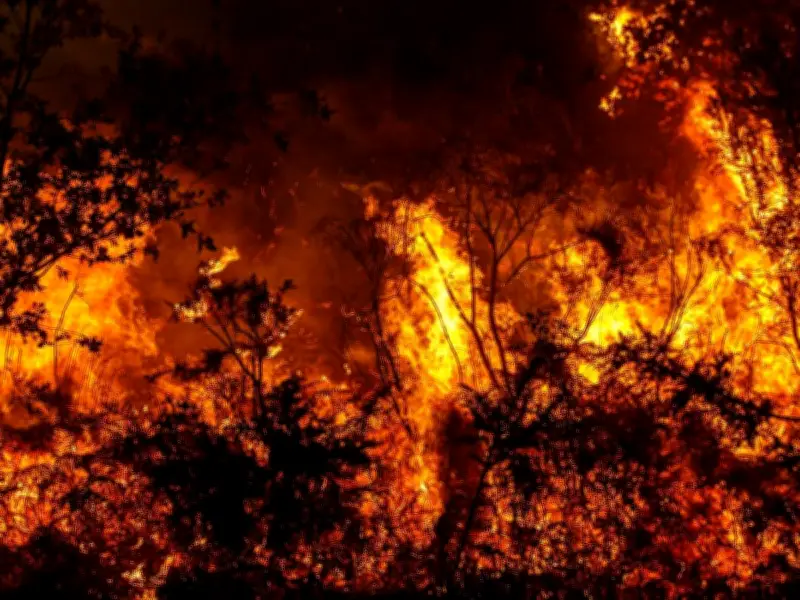
Scientists have warned that Earth could already be in the midst of a sixth mass extinction event driven by climate change and biodiversity loss. A new study has predicted when the peak of this terrifying event might take place, suggesting it could arrive far later than previously anticipated.
Study Forecasts Extinction Peak
The research, titled "Relationship between extinction magnitude and climate change during major marine and terrestrial animal crises," attempts to forecast when the next mass extinction episode might occur. Kunio Kaiho, a Japanese climate expert from Tohoku University, discovered a roughly proportional connection between Earth's average surface temperature and the planet's biodiversity.
As average surface temperatures shift further from normal levels, increasing numbers of species face extinction. While the Chicxulub crater represented an external danger to life on Earth, most extinction events stem from dramatic climate shifts, involving either extreme heating or cooling.
Temperature Thresholds
Professor Kaiho found that during previous catastrophic episodes, global surface temperature drops had triggered the most severe mass extinctions when temperatures plummeted by 7C. At the opposite extreme, such devastating consequences occurred with approximately 9C of warming.
Currently, world leaders, climate researchers and campaigners are battling to maintain Earth's temperature rise below 1.5C compared to pre-industrial levels. Nevertheless, an IPCC report suggested that following the current path, humanity is heading towards exceeding 3C of global warming by 2030, potentially causing millions of species to become extinct.
Revised Projection
Researchers had previously cautioned that global temperatures need only increase by 5.2C to trigger the sort of mass extinction event comparable to the previous five. Yet Prof Kaiho revised that projection, arguing that 9C of warming is required to prevent such a catastrophe from occurring.
He stated: "The 9C global warming will not appear in the Anthropocene at least till 2500 under the worst scenario." He added: "Prediction of the future anthropogenic extinction magnitude using only surface temperature is difficult because the causes of the anthropogenic extinction differ from causes of mass extinctions in geologic time."




