
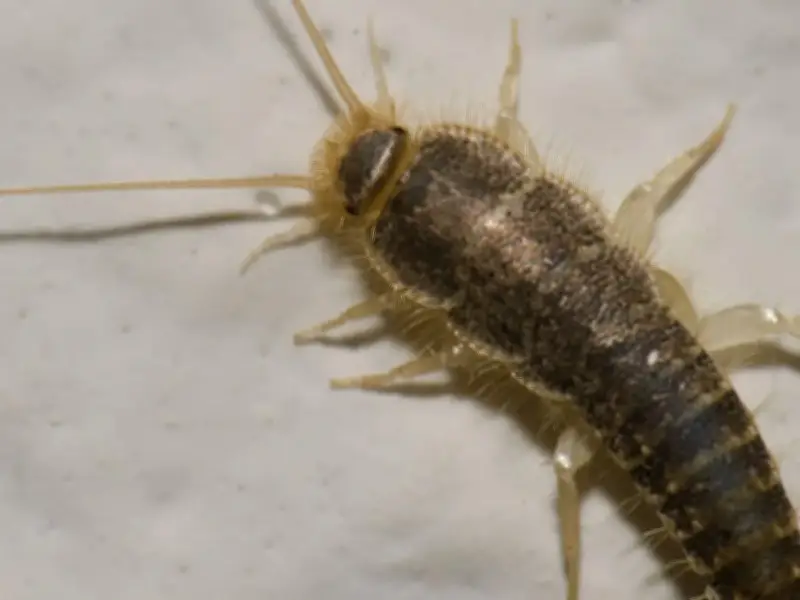
Silverfish invasions typically peak in August, when these moisture-seeking insects become more noticeable in UK homes. Specialists have shared advice for homeowners looking to keep them out, including a natural deterrent using lemons that cost as little as 22p each.
Why August sees a surge in silverfish activity
According to data and pest specialists, silverfish are much more active in late summer. When outdoor moisture evaporates in the summer heat, they seek stable, humid spots indoors. The warm weather in August raises indoor humidity in places like bathrooms and kitchens, which is perfect for them. As autumn approaches, these insects begin moving from dark spaces in walls and floorboards into living areas.
While silverfish are not harmful to humans, they can become a nuisance, damaging household items such as books, wallpaper, and fabrics, and leaving stains from their droppings and shed skin. Sam Davies, Director at Age Care Bathrooms, has shared eight simple bathroom changes homeowners can make to reduce moisture and help keep silverfish at bay.
Warning signs of an infestation
Regular sightings in dark, damp areas, tiny black marks or droppings, damage to paper products, wallpaper or fabrics, and small scales left behind from moulting are all signs of a possible silverfish problem. Sam says: "Silverfish are often spotted in bathrooms because they are attracted to warm, humid environments. However, seeing one silverfish does not always mean you have an infestation, so homeowners should look for repeated sightings or signs of activity such as droppings and damage."
How a 22p lemon can help deter silverfish
Sam recommends using natural scent deterrents. He said: "Silverfish are known to dislike strong scents such as lavender and citrus, so adding a few drops of essential oil to a cotton pad and placing it in bathroom cupboards or darker corners can help deter them. While this should not replace tackling moisture problems, it can be a simple extra step to make your bathroom less inviting to pests."
Silverfish don't like the strong, sour smell of lemon and other citrus fruits. Their powerful scent masks their tracking pheromones and acts as a natural repellent to stop them coming in, but it's only a short-term solution and not a complete answer for a serious infestation. It only discourages them from lingering in treated areas rather than fixing the underlying dampness that attracts them.
Citrus fruit, including lemons, is easy to find in most UK supermarkets and at low prices. For instance, Aldi is selling a pack of four Wonky Lemons for 89, which works out to 22p per lemon. You could scatter raw lemon peels in corners, cabinets, or drawers, replacing them often as they dry out. Or, you could mix water with fresh lemon juice or a few drops of lemon essential oil, and mist the mixture along baseboards, cracks, windowsills, and under sinks.
Eight bathroom changes to reduce moisture
Dry your shower and bath after use. Sam says: "Silverfish thrive in damp environments, which means bathrooms can provide the perfect conditions for them to hide and breed. Taking a few seconds to wipe down wet surfaces, especially around shower trays, baths and sinks, is a simple way to keep your bathroom drier between uses."
Keep your extractor fan running after showers. Sam explains: "Many homeowners switch off their extractor fan as soon as they leave the bathroom, but humidity can remain in the air for much longer. Keeping your fan running for around 15 to 20 minutes after showering can help remove lingering moisture. It is also important to clean your extractor fan every few months and check it is working effectively, as dust and dirt build-up can reduce how efficiently it removes damp air."
Improve airflow after showering. "Opening a window or leaving the bathroom door open after showering can help improve ventilation and prevent moisture from becoming trapped in the room," Sam added. "This is particularly important in bathrooms without strong extraction. For bathrooms that regularly struggle with condensation, using a small dehumidifier can also help remove excess moisture from the air. Disposable dehumidifiers can be a low-cost option for smaller bathrooms where moisture builds up quickly."
Check for hidden leaks. Sam said: "Silverfish are often attracted to areas with consistent moisture, even if the damp is not immediately obvious. A small leak under a sink, behind a toilet or around pipework can create the perfect hiding spot." Seal gaps around pipes and fixtures. Sam explains: "Silverfish can squeeze through surprisingly small gaps, making cracks around skirting boards, pipework and damaged sealant easy entry points. To prevent this, replace any cracked or damaged silicone around baths and showers to keep water from seeping into hidden areas."
Avoid storing cardboard and paper products in bathrooms. "Silverfish feed on starches found in materials such as paper, cardboard and some adhesives, so keeping spare toilet rolls or packaging in the bathroom can make the space more attractive," Sam said. "Where possible, store these items in sealed containers and remove unnecessary clutter from cupboards." Wash and dry bath mats regularly. Sam said: "Bath mats can quickly become a warm, sheltered space for silverfish to hide, especially when they are left damp. Hanging your bath mat over the bath or shower rail after use can help it dry faster and remove a potential hiding spot for pests."




