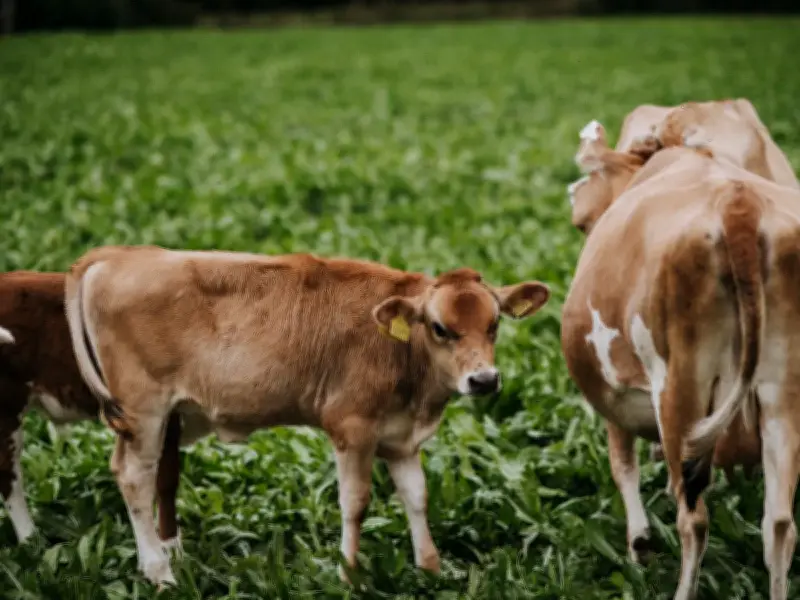
Shamonda virus, a disease that causes severe diarrhoea and birth defects in cattle, has been confirmed in the British Isles for the first time. Health officials at the Government's Animal and Plant Health Agency (APHA) detected the virus in cows on Jersey in August, raising concerns over animal deaths and potential damage to the island's dairy industry.
Virus symptoms and spread
The virus is transmitted through midge bites and leads to high fever, diarrhoea, lethargy, and reduced milk production in infected animals. Abortions have been recorded in cows, and scientists believe infection during pregnancy could cause birth defects in calves. Besides dairy cows, the virus can also affect goats, sheep, and horses, potentially causing serious health problems in all three species.
Impact on Jersey's dairy exports
Jersey's dairy industry is a key supplier to the rest of the UK. Jersey Dairy provides fresh milk to islanders and tourists and exports its produce to major companies including M&S and Hotel Chocolat, as well as its famous Jersey ice-cream. In 2025 alone, the island exported 4.1 million litres of milk and milk-related products to the rest of the British Isles. Reduced milk production and cow deaths could have significant consequences for these supply chains.
Official warning and next steps
In a statement, a government spokesperson said: "An emerging virus, known as Shamonda virus (SHAV), which is thought to be primarily spread by Culicoides biting midges, has been identified in several European countries during 2026. In August 2026, APHA detected Shamonda virus (SHAV) in cattle in Jersey that showed clinical signs consistent with those seen elsewhere in Europe. This confirms the virus is present in the British Isles and in close proximity to Great Britain, highlighting the potential for further spread across north-west Europe."
Shamonda virus is not believed to be dangerous to humans and is not thought to be transferable via milk or other dairy products. The main concern is that livestock numbers will decline due to animal mortality and lower production rates. Farmers suspecting a notifiable disease in their animals must report it immediately to APHA by calling 03000 200 301. In Wales, the number is 0300 303 8268, and in Scotland, contact the local Field Services Office. Failure to report is an offence.