Scotland's once thriving nightlife industry continues to face tough challenges from soaring operating costs, transport dilemmas, and strict regulations. Glasgow City Council has announced it is recruiting the country's first "night manager" to transform its after-dark economy, while there have been calls for a Scottish government minister devoted to revitalising the nightlife scene.
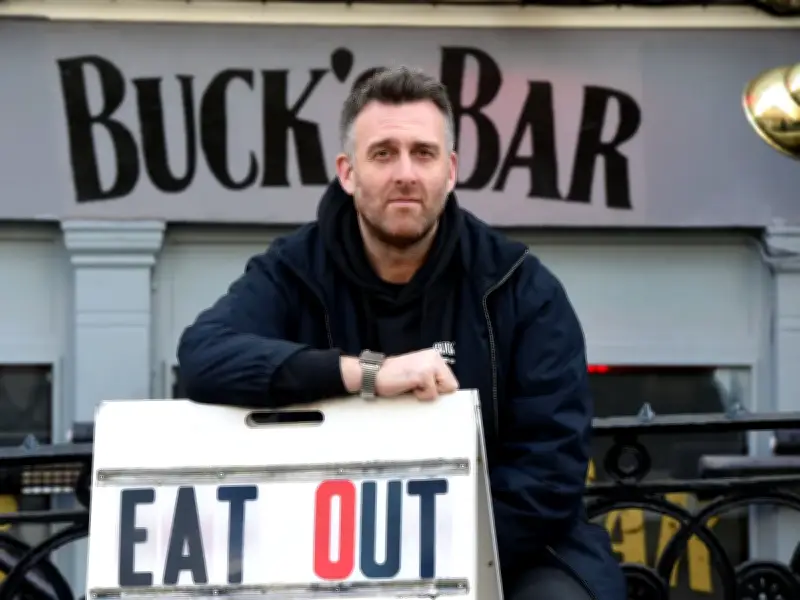
Michael Bergson, a Scots bar boss with eight venues across Scotland, has witnessed dozens of businesses close on Glasgow's West Regent Street since opening his first Buck's Bar there a decade ago. Despite the bleak picture, he believes a return to Scotland's once world-famous nightlife is within reach.
Closures and Economic Impact
Bergson told the Record: "We opened up Buck's Bar on Glasgow's West Regent street ten years ago. There are about a dozen hospitality venues on that street and there have been about 25 closures in that time. Some venues have closed permanently, some have closed and reopened. There are still half a dozen of those venues that were there 10 years ago that still aren’t there - those venues are lying empty still."

He added: "The closures are accelerating more recently. There’s an Indian restaurant that opened up less than a year ago and already it’s closed down and another has opened up in its place. Every time this happens that’s people losing their jobs, it’s tax and rates revenue lost and often they go to the wall owing a lot of money to HMRC."
Bergson emphasised the need for balance: "If we’re going to maximise tax revenues we need to get the balance right so that businesses can stay open, thrive, create jobs and keep people off benefits. People earning money are going to spend more money in the economy."
Surviving COVID and Early Struggles
Reflecting on the pandemic, he said: "What allowed us to survive through Covid was that we had a product which transfers well to takeaway. We were exceptionally lucky. The extra we had from takeaway allowed us to come out of Covid not mired in debt. Whereas now, the hardest part of opening any business is the first year."
Bergson recalled his own near-failure: "We very nearly went out of business in the first year back in 2016. But margins were a lot better and tax was lower - we were able to ride those years out. Now you’re in a situation where new businesses aren’t able to do so because the costs are so high and the margins are so tight."
Solutions and Calls for Change
He lamented the loss of the big night out: "The saddest thing is, the big night out is what used to attract so many people to our cities. You could go for something to eat and drink and dance. It was that late night experience we used to have seven nights a week in Glasgow that’s fallen away, for so many reasons."
Bergson expressed cautious support for Glasgow's night manager role: "Glasgow’s 'night manager' role is a great idea, but I’m slightly sceptical because I think it will be difficult for someone on the council’s payroll to directly challenge policy made by the council, which has been damaging to hospitality and the night-time economy and puts barriers in place for us trying to do business and to trade. If you get someone in who is going to help boost the economy they’ve got to be able to be critical of Holyrood and Council policy."
He proposed practical measures: "The thing people really complain about is getting in and out of the city centre - it’s too difficult. I know there’s plans to take public transport later. Let's have the trains matching what the buses do and have them running later into the night. So long as we don’t have the full quota of transport services running past 11.30pm we should have LEZ policies exempt during those hours so people can pick up and drop people off to a nightclub."
On rates, he said: "The rates tax hike was an absolute disaster and should have been paused - all it does is make it harder for businesses to thrive, puts prices up and makes it more expensive for the customers. They are reviewing that but are saying it could take three years. In the meantime you can’t be asking people to be paying these higher levels of rate tax."

Bergson concluded optimistically: "There are world class venues in our city centres. If you get enough people out there and they are getting home safely without it being too expensive, it can grow from there - that’s all we need."