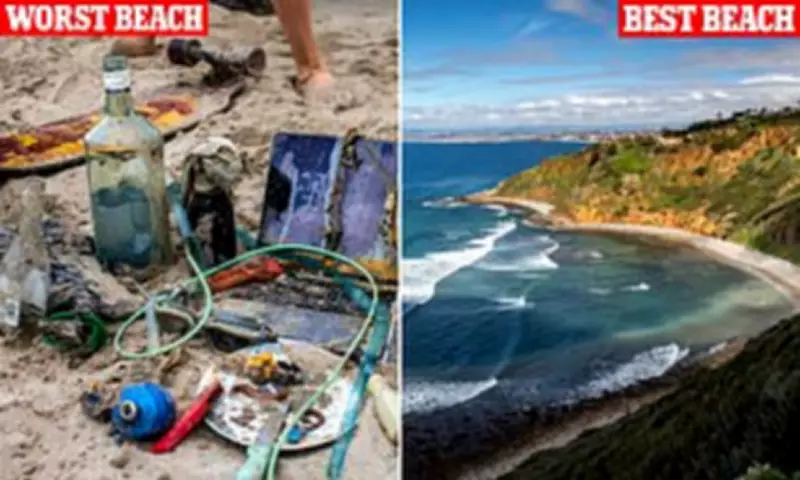
California's iconic Santa Monica Pier may be a glamorous backdrop for tourists and television productions, but behind the picturesque scenes lies a troubling reality regarding the beach's cleanliness. The famous Los Angeles beach has ranked second in a new report analyzing bacterial pollution, trailing only Playa Blanca beach, which is heavily impacted by transboundary wastewater flows from Tijuana.
Heal the Bay's Beach Report Card
Heal the Bay, an organization dedicated to making bacterial monitoring more accessible, identified the ten worst beaches in California for chronic pollution. Using data from county health departments, the organization assigned each beach a letter grade, with the ten worst receiving an 'F.' Following the Santa Monica Pier were six beaches in San Mateo County, many of which are located in enclosed harbors where bacteria struggle to circulate.
Southern California experienced some of the largest declines in water quality due to increased rainfall and stormwater runoff. Beaches in urban areas are more vulnerable to pollution, and Heal the Bay noted that freshwater quality is strongest in open spaces but declines as waterways move through urban areas.

Consistent Pollution Hotspots
Many of the same pollution hotspots have persisted year after year. Heal the Bay has been releasing an annual report card ranking California's beaches for 36 years. The Santa Monica Pier has continued to rank among the worst beaches in the state for water quality. The beach is in an urban area and is exposed to bacterial contamination, putting beachgoers at risk of contracting illnesses such as stomach flu, ear infections, upper respiratory infections, and skin rashes.
Efforts to Address Pollution
Heal the Bay has partnered with city officials to identify major sources of pollution contributing to the iconic beach's bacterial contamination. 'We know what needs to be done,' said Naomi Maurice, a water quality data analyst with Heal the Bay. 'We need to capture and clean stormwater before it reaches our waterways, we need to upgrade aging sewer infrastructure, and we need to invest in local strategies at chronic hotspots when needed, like what we are doing here with the Santa Monica Pier task force.'
The organization's CEO, Tracy Quinn, emphasized that the beach report card serves as a reminder that poor water quality is a public health issue. To help beachgoers avoid heavily polluted water, the city consistently updates a Beach Report Card so that safe swimming areas can be monitored.
Tips for Safe Swimming
Waiting at least three days after a storm to swim and staying at least 100 yards away from storm drains or enclosed beaches can decrease the chances of contracting a bacterial-related illness. Heal the Bay also released an 'Honor Roll' of beaches that received an 'A+' for water quality. The top spot went to Bluff Cove in Palos Verdes Estates, also in Los Angeles. The remaining Honor Roll beaches were located in Orange and San Diego counties, with one beach in Santa Barbara also achieving an A+. These areas have better water circulation and are more residential, so runoff pollution is less prevalent. To achieve Honor Roll status, beaches must receive A+ grades year-round.