
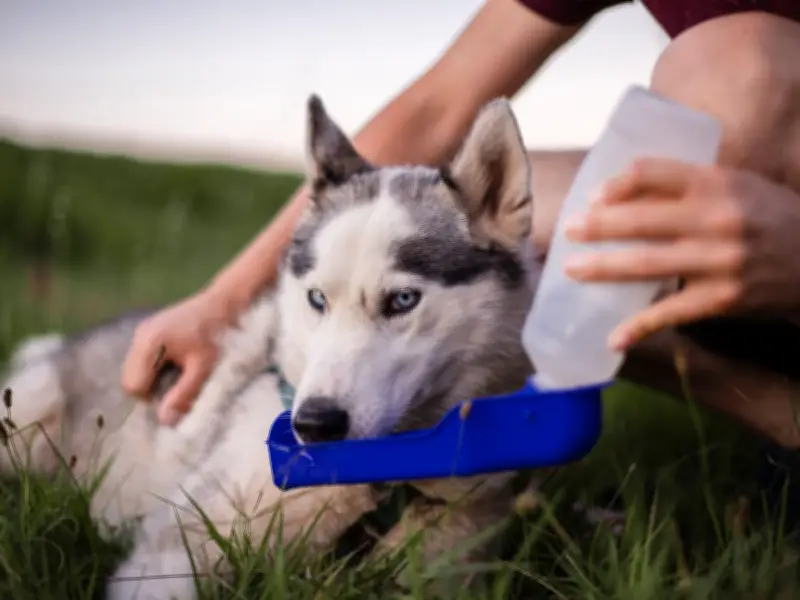
The RSPCA has issued urgent advice for dog owners as temperatures are set to reach 29°C in parts of the UK, highlighting a lesser-known symptom of heatstroke: a red tongue and red gums. The charity warns that heatstroke can be fatal for dogs, who cannot regulate their body temperature like humans.
What the RSPCA Says About Heatstroke
According to the RSPCA, heatstroke occurs when a dog gets too hot and cannot lower its temperature by panting. The charity states: "When a dog gets too hot and can’t lower its temperature by panting, it can develop heatstroke. This can be fatal, so you need to act fast to reduce their body temperature first, then get help." Pet owners are urged to familiarise themselves with the symptoms and act quickly if any signs appear.
Lesser-Known Symptom: Red Tongue and Gums
While some signs like collapsing are obvious, others are subtler. The RSPCA explains that an increased heart rate, weakness, and noisy breathing can indicate heatstroke. A key symptom to check is the colour of the dog's tongue and gums. "Whilst this is often a symptom of a dental problem, when coupled with panting and heavy breathing, red gums can occur when a dog is overheating," the charity says.
UK Heat Forecast and Risks
The Met Office has forecast temperatures of 27–28°C in Scotland and Northern Ireland on Friday, with values into the mid-20s over the weekend. Dumfries is expected to reach 29°C on Friday before dropping to 25°C on Saturday. The RSPCA stresses that even when temperatures dip, owners should remain vigilant throughout the summer.
Which Dogs Are Most at Risk?
All dogs can suffer heatstroke, but some are more vulnerable. Flat-faced breeds, such as bulldogs and pugs, are at higher risk. Other factors include age, coat thickness, and pre-existing health conditions, especially respiratory issues. The RSPCA notes: "Dogs lose heat through their bodies, but thick fur can trap the heat in." Puppies and older dogs may also struggle to regulate their temperature effectively.
Prevention Tips
The RSPCA advises keeping dogs cool by providing shade, fresh water, and avoiding exercise during the hottest parts of the day. Owners should also be alert to any signs of heatstroke and act immediately if they suspect their dog is overheating.




