
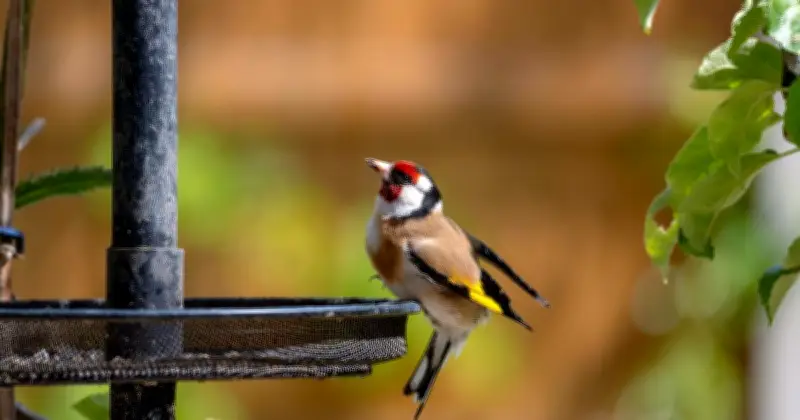
The Royal Society for the Protection of Birds (RSPB) has issued new guidance urging gardeners to avoid leaving two common bird food staples—seeds and peanuts—in feeders during June. This change comes in response to a deadly disease that is ravaging bird populations, particularly finches.
Revised Feeding Advice
Previously, the RSPB recommended providing seeds and peanuts to garden birds during the summer breeding season. However, updated advice published on their website in April now advises against these foods from May 1 to October 31. The shift aims to curb the spread of trichomonosis, a parasitic disease that primarily affects finches but can impact other species as well.
Understanding Trichomonosis
Trichomonosis is a contagious disease caused by a parasite that attacks the upper digestive tract and throat of birds. It leads to lesions in the gullet, preventing birds from swallowing and absorbing nutrients. The disease has devastated populations of Greenfinches and Chaffinches and is also causing rapid declines among Bullfinches, according to the RSPB.
Scientific evidence shows that the risk of outbreaks peaks in summer and autumn, as the parasite cannot survive winter cold. During warmer months, birds gather at feeders, and sick individuals regurgitate food, infecting others.
Why Seeds and Peanuts Are Problematic
Finches almost exclusively eat seeds and will also consume peanuts when available. Unlike other species, they rarely eat fat balls, suet, or mealworms. By removing seeds and peanuts from feeders, the RSPB hopes to prevent finches from clustering in large numbers, reducing disease transmission. This also encourages birds to seek natural food sources that are abundant in summer.
Other Recommendations
The RSPB suggests several additional steps to protect garden birds:
- Feed only small amounts to avoid overcrowding at feeders.
- Avoid feeders with flat surfaces where the parasite can linger.
- Keep feeders clean regularly.
- Provide water only if it can be changed daily.
These measures aim to balance supporting birds year-round while minimizing disease risks. For more details on seasonal feeding and disease prevention, visit the RSPB website.




