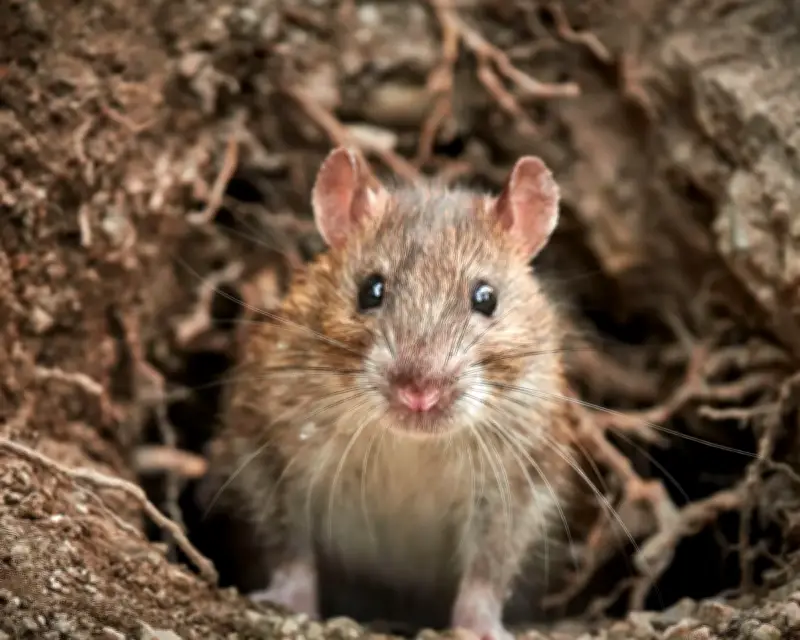
Rat populations are rising in cities around the world, driven in part by global heating, according to a paper by Dr Robert Corrigan and 10 other scientists published last year. The study of 16 cities found a correlation between increasing rat numbers and rising temperatures.
A lifelong study of rats
Corrigan, a New York-based rodentologist now in his 70s, has devoted his adult life to studying rats. He began as an exterminator in New York City's sewers, saving for graduate school where he studied rodent pest management. He later spent weekends camping in barns observing rat behavior.
He describes his feelings towards rats as paradoxical: “Do I love that species and do I respect it as a scientist? Heck, yes. On the other hand I know that they cannot cohabitate with us because they can kill us.”

Why warmer winters matter
The two most common rat types, black and brown, do not hibernate. In places with regular winters, their reproduction slows or stops during cold periods. “When you have repeating warm winters, one after the other, the rats benefit,” Corrigan says. The problem escalates “when you start multiplying that little bit of extra rat production by hundreds of millions of rats”.
Rats are often invasive species, vectors for disease, and can decimate crops and destabilize ecosystems. They carry pathogens that can spill over into human populations, including Weil's disease, hantavirus, and new coronavirus variants.
Beyond poison
Corrigan criticizes the current approach of dumping poison and laying traps, saying it treats rats like “any old vermin” when they are “smart mammals with mammal brains”. He calls poison “a band aid”. Rodenticides harm other wildlife and can be consumed by humans, with thousands of accidental poisonings in the US each year.
Fertility controls are gaining popularity in the US as a more compassionate alternative. Richard Parr, director of UK charity the Center for Wild Animal Welfare, says, “Developing new forms of birth control is the key to managing the soaring number of poison-resistant rats compassionately.” He adds that outdated EU biocidal product regulation is “stifling innovation”.
However, Steven Belmain, professor of ecology at the University of Greenwich, is skeptical: “People are sometimes quite naive thinking we can use fertility control. If you've got a rat in your house, you're not going to feed it contraceptives and just let it live there with you.” He adds, “Our restaurants, our hotels, our hospitals, our food warehouses will all just collapse without having any sort of poison management.”
Alberta's success
Canada's Alberta province stands out as one of the only places to almost entirely eradicate rats. Karen Wickerson, the Alberta government's rat and pest specialist, runs a programme operational since 1950. After rats were discovered on the eastern border with Saskatchewan, a “rat patrol” began eradicating infestations along the border. In 2025, Alberta had just five infestations, down from six or seven hundred a year at the start.
The provincial government passed legislation requiring citizens to control or report rodents, and launched a public education programme with pamphlets, posters, and taxidermied specimens. Corrigan believes infestations ultimately stem from a failure of municipal politics: “Cities are not strict enough on punishing people that ruin the block or the area or the province for everybody.”
Wickerson notes future challenges, including more holidays outside the province bringing back rodent hitchhikers, urban development creating sanitation issues, and last autumn's extremely warm weather undermining natural cold protections. Corrigan sums up the situation: “Planet Earth is changing and the rats are benefiting.”