
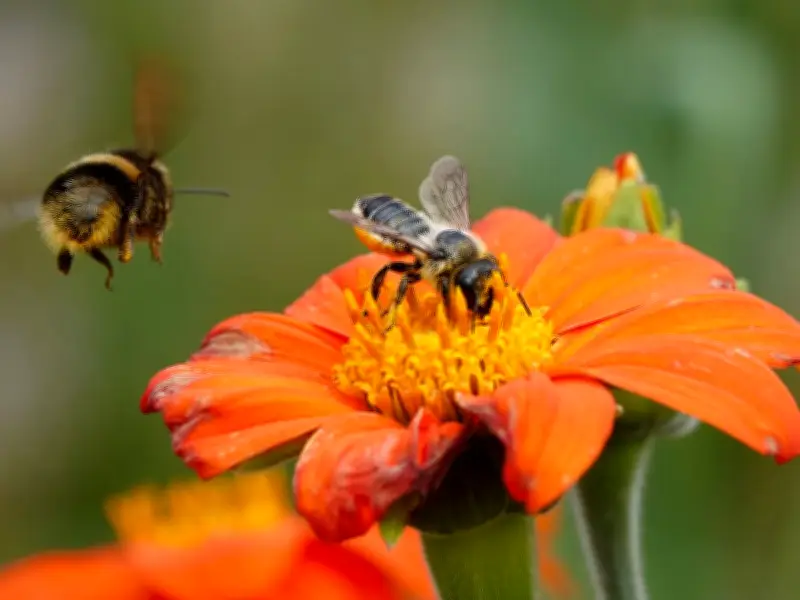
The Royal Horticultural Society (RHS) is urging gardeners across the UK to take two simple steps to protect bees and other pollinators during the ongoing heatwave. As temperatures climb above 30°C, bumblebees can overheat rapidly and struggle to fly, while plants produce less nectar due to drought stress.
Leave Out a Bee Drinker
The RHS recommends leaving a shallow saucer filled with pebbles and topped up with water, known as a 'bee drinker', to provide a safe drinking source for pollinators. This simple measure helps bees stay hydrated without risk of drowning.
Focus on Flowering Plants
Gardeners are advised to concentrate watering on plants that are in flower or about to bloom, using grey water where possible and adhering to hosepipe bans. Moving pots of flowering patio plants into shade can help them continue blooming despite the heat.
Shelter for Solitary Bees
Solitary bee hotels should be placed in semi-shaded spots, especially in southern England or urban areas, to prevent overheating. The RHS also suggests topping up small ponds with stored rainwater to support aquatic larvae of hoverflies and other insects.
Drought-Tolerant Plants
To ensure a continuous nectar supply, gardeners are encouraged to plant drought-tolerant species such as Nepeta racemosa 'Walker's Low', Salvia 'Blue Spire', or Ceanothus 'Skylark'. These plants produce nectar even in hot, dry conditions.
The UK has experienced three record-breaking heatwaves in three months, alongside hosepipe bans in parts of South East England. Prolonged heatwaves disrupt the life cycles of butterflies, moths, and hoverflies, as host plants dry out prematurely and aquatic habitats vanish.




