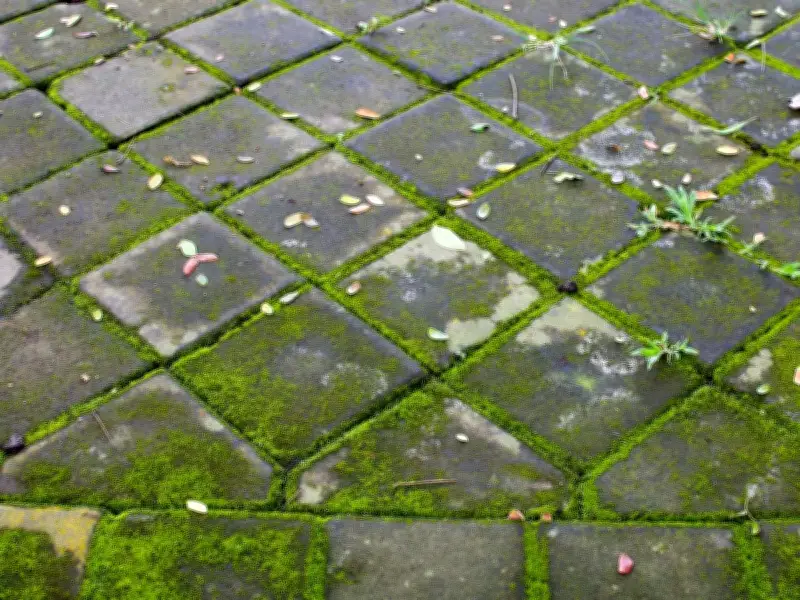
Moss and algae on garden patios can be removed using baking soda, a natural alkaline cleaner that also prevents regrowth, according to experts at Infinite Paving. The household staple, which costs as little as 59p, works by raising the pH level of the surface, making it impossible for moss and algae to survive.
Damp, shaded areas are particularly prone to the green coating, where algae thrives in moist conditions with little air circulation. While moss and algae may not damage paving, they can create a serious slip hazard, especially after rain. The Royal Horticultural Society (RHS) recommends keeping growth under control on surfaces that are regularly walked on.
Why patios get so dirty
Common causes of patio grime include rain and damp weather, shade from walls, fences, trees and buildings, poor drainage, fallen leaves and organic matter, dirty joints where moss and weeds establish, and north-facing patios that receive less direct sunlight.

Baking soda is a natural absorbent that draws moisture from a patio, dehydrating moss and algae and making it harder for them to survive. It also keeps the patio dry and less acidic, reducing the chances of regrowth for the rest of the summer.
How to remove moss and algae
To treat affected areas, wait for a dry, sunny day and sweep the patio to loosen any stains. Liberally sprinkle dry baking soda on areas plagued by moss or algae and leave it to sit undisturbed for 24 to 48 hours. Additional applications can be made during this period.
The treatment has worked when the moss or algae turns brown, a clear sign it is dying off. Once completely dried out, the growth can be cleared away with a quick sweep of a broom. Rinsing the patio down with hot water should keep it clean and free from unsightly stains for a considerably longer stretch of time.