
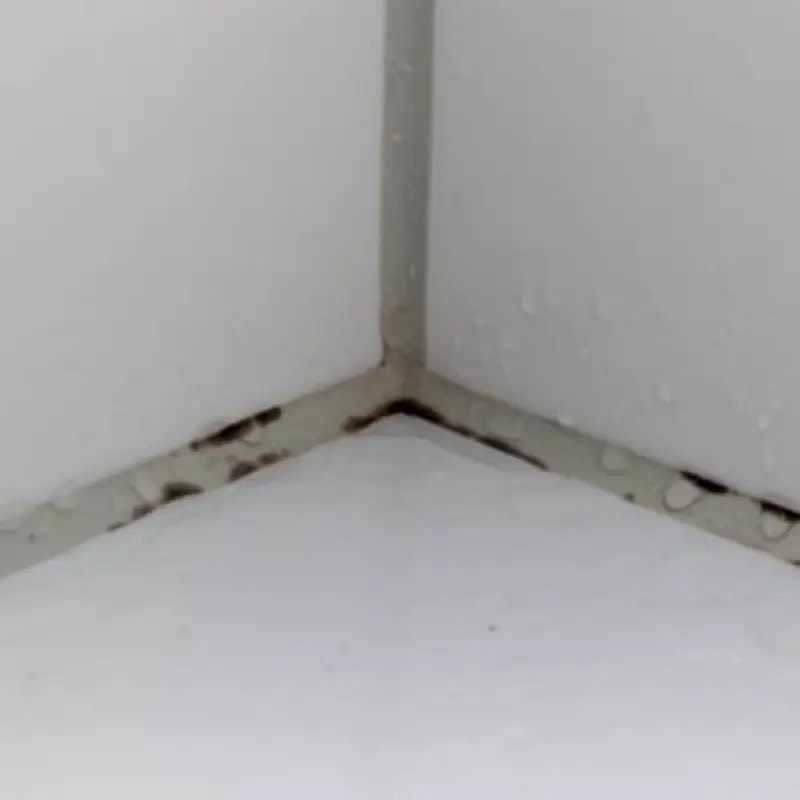
Mould in silicone sealant is not only an eyesore but also harmful to your health. Fortunately, there is a budget-friendly natural alternative costing just 65p that effectively tackles this issue. Showers, baths, and windows are often fitted with silicone sealants, which create airtight and watertight barriers. These areas experience damp, humid conditions and accumulate soap residue, creating an ideal environment for mould to flourish.
Why Mould Grows on Silicone Sealant
Cleaning specialists at Drench explain that silicone sealant can be a haven for mould due to its porosity and frequent exposure to water. Mould on silicone is not only unsightly but also detrimental to health. Over time, mould causes the sealant to turn black, making it particularly unpleasant. While many commercial mould removers contain bleach, which may not be the safest choice, natural alternatives like baking soda offer a safe and effective solution.
The 65p Baking Soda Method
UK sealant firm GT Sealants recommends a simple method using baking soda to eliminate black mould. A 200g pack of baking soda costs just 65p at Tesco and is a superb kitchen cupboard essential for fighting mould. The process involves creating a paste by mixing two or three teaspoons of baking soda with one cup of room temperature water until smooth.
Step-by-Step Application
- Apply the paste: Using a cloth, apply a small amount of the baking soda paste directly to the mould-affected areas. Wearing gloves is advisable to avoid direct contact with mould.
- Let it sit: Allow the paste to remain on the silicone for at least five minutes. Covering the sealant with cling film helps maintain moisture and improves effectiveness.
- Scrub away mould: After five to ten minutes, remove the cling film and use a stiff brush or old toothbrush to scrub away the black mould.
- Rinse thoroughly: Rinse the sealant with cold water and a sponge to remove all traces of mould and paste. Repeat the process if necessary, as stubborn mould may require multiple applications.
Drying Prevents Recurrence
Once the mould is removed, it is crucial to dry the silicone sealant with a dry towel or cloth. Many people skip this step, but leaving the area wet encourages mould to return. Drying the silicone prevents further mould formation, ensuring a long-lasting clean finish.
The baking soda mixture needs time to work; it may not deliver immediate results, but multiple applications will resolve the issue. Silicone is durable and hard-wearing, so the mould may be tenacious, but persistence pays off.




