
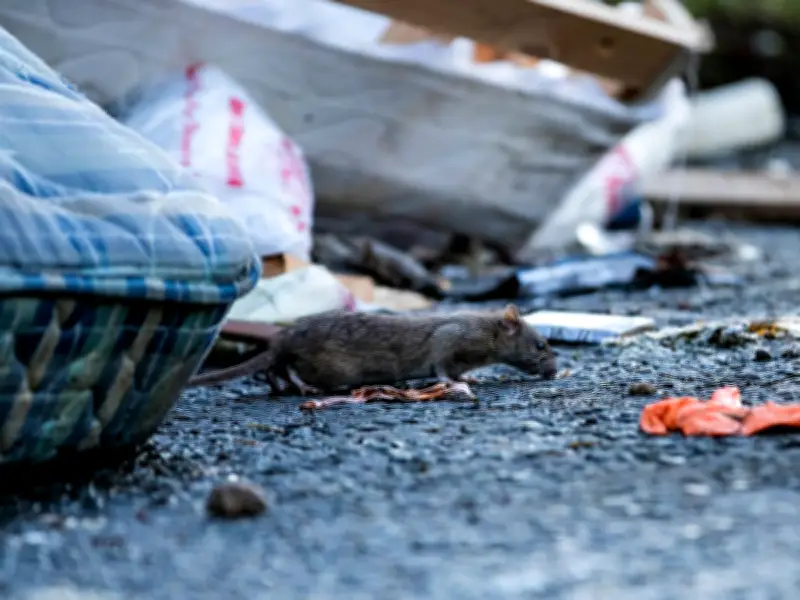
Pest control experts are reporting a dramatic rise in rat infestations across the UK, with the ongoing heatwave blamed for driving rodents into gardens and homes. The BBC's You and Yours programme revealed that callouts for rats have increased significantly from June this year, with one expert noting an 80% rise over the past five to seven years.
Rising callouts and heatwave impact
Host Winifred Robinson said: “Climate change may be hard for humans and some plants but it seems it’s good for rats. We’ve had a lot of messages from listeners trying to get rid of rats. People who report seeing rats running around in public parks, on the streets or in the bin areas beside their blocks of flats. When we asked the National Pests Technicians Association about it, it told us call-outs for rats are indeed rising - it represents 1,100 companies right across. Rentokill, one of the biggest of them, said calls for help with rats shot up 11 per cent in June, compared with the month before.”
Nick Robertson from HF Pest Control, based in Tunbridge Wells in Kent, which covers London, said: “The callouts have gone up 80 per cent in the last 5-7 years.” He attributed the increase to warmer winters, saying: “Basically, we don’t have cold winters any more, so they’re breeding all year round. I don’t know when the last time we had a really cold winter. Last year I think it dropped under zero for about a week or two weeks, if that, so it’s genuinely warm all year round now and climate change has caused a big problem with the increase of rats.”
Pond owners warned
One of the key concerns raised was rats using garden ponds as a water source. When asked what to do if rats are drinking from a pond, Robertson gave a stark response: “It would be a very severe thing to say fill the pond in, but if they have a lot of problems they might need to.” He noted that some people put nets over ponds, but said: “I’ve seen rats sitting on the top of nets drinking water.”
Pest control methods and health risks
Robertson explained that current methods have shifted away from poison as a first resort due to regulations. “We have to go down the non-poison route to start off with. So we’d start off with snap traps, if it’s social housing we go for proofing which is to block the holes up to stop them entering the property, and just to try to improve the housekeeping of the general area.” Poison is a last resort because of smell and decomposition.
Professor Steven Belmain of the University of Greenwich warned against using live traps, saying: “When you take a rat from one habitat and you release it somewhere else you’re actually causing that rat quite a lot of stress… Unfortunately even though there’s good intentions there you’re probably killing that rat anyway.” He added that rats pose a health hazard, transmitting diseases such as leptospirosis (Weil’s disease), Salmonella, and E. coli.




