As summer temperatures rise, the UK's railway network faces increasing disruption from heat. Buckling rails and overheating equipment can cause delays and safety risks, prompting experts to explore new ways to protect the infrastructure.
Understanding the Problem
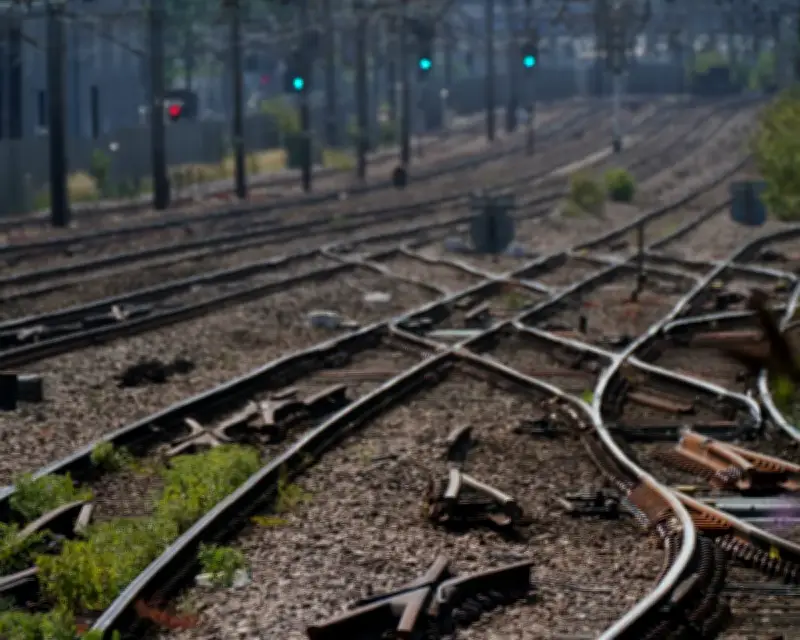
When temperatures soar, steel rails expand and can buckle, forcing trains to slow down or stop. The problem is worsened by older infrastructure not designed for such heat. According to Network Rail, heat-related incidents have become more frequent in recent years, with significant costs to passengers and the economy.
Proposed Solutions
Engineers are testing several approaches. One involves painting rails white to reflect sunlight, reducing the temperature of the steel. Another is using more heat-resistant materials for new tracks. Additionally, improved weather forecasting allows rail operators to pre-emptively slow trains or deploy staff to vulnerable sections.

Experts also emphasize the importance of vegetation management. Trees and shrubs near tracks can provide shade, but they also pose risks from falling branches. A balanced approach is needed.
Future Outlook
With climate projections indicating more frequent heatwaves, the rail industry is investing in research and adaptation. The goal is to maintain reliable services even in extreme weather. While no single solution is a silver bullet, a combination of engineering, technology, and planning can help keep trains running safely.