
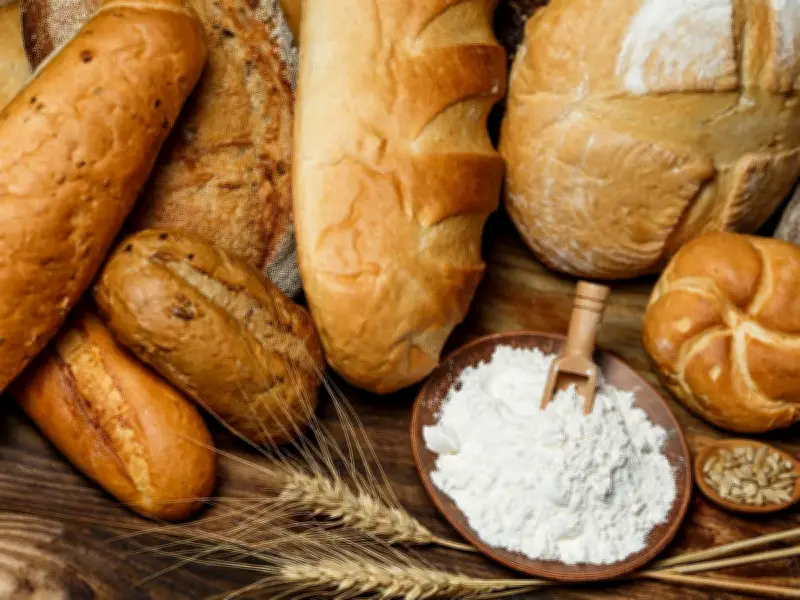
A master baker has shared the optimal method for keeping bread fresh during hot weather, and it's all about storage technique. Scorching summer temperatures are rapidly becoming commonplace in the UK, and most people will appreciate any approaches that help preserve food for longer, particularly a European essential like bread.
The Challenge of Keeping Bread Fresh in Summer
Bread remains a cornerstone in Britain, with a reported 99.8 per cent of households purchasing it and almost 11 million loaves sold daily. Bread is also popular in Spain, where a traditional cloth bag has been regarded as one of the best ways to maintain its freshness.
However, baker José Roldán, the International Union of Bakers and Confectioners (UIBC)'s World Baker of the Year 2025, suggests that this approach becomes less effective in warm conditions. He told Ultima Hora: "The cloth bag allows the bread to breathe, but in the heat, it will lose moisture more quickly."
Swift evaporation will cause the crumb to harden prematurely, which means it will lose those freshly baked characteristics. Therefore, to shield your loaf from the elements, it's worthwhile adjusting your storage method when conditions shift.
Why Heat Affects Bread Quality
Heat triggers dehydration, which can reduce the length of time your bread retains its "organoleptic properties" - characteristics that engage the senses such as taste, smell, colour and feel. Jose recommended we pop our bread in the freezer after slicing it — doing this prolongs the loaf's lifespan.
For optimal results, purchase a high-quality loaf and slice it beforehand, meaning you only remove what's required each time. He said: "A quick moment in the toaster or oven is all it takes to have bread that tastes as if it's just been baked."
The Freezing Method Explained
Freezing counteracts the bread's natural deterioration, halting enzymatic activity and preventing microorganisms from multiplying. Then, thawing with direct heat can bring your bread back to its former, bakery-fresh glory.
Jose explained to AS that he was an advocate of "good bread, sliced and properly frozen", as it "stays fresh". He noted: "Just a quick touch on the griddle or in the oven and you've got bread that tastes as good as freshly baked.
"We're lucky enough to have a large freezer at home, and whenever friends or family come round, I pop it straight into the oven and end up with some brilliant bread."
Alternative Storage with Plastic Bags
An alternative approach involves keeping your bread in a plastic bag. This can help retain moisture during summer, though it's advisable to only employ this technique if you intend to consume the loaf within 24 to 48 hours.
It can also soften the crust, robbing the bread of that distinctive bakery crispness. However, you can counter this by popping the bread in the oven or toaster for a few minutes, which goes a long way towards restoring its texture.
Regarding the plastic bag technique, Jose added: "In summer, instead of keeping the bread in a cloth bag, I'd use a plastic bag." He went on to say: "If the bread gets a bit chewy, just pop it in the oven for a moment, and it'll be magnificent again."




