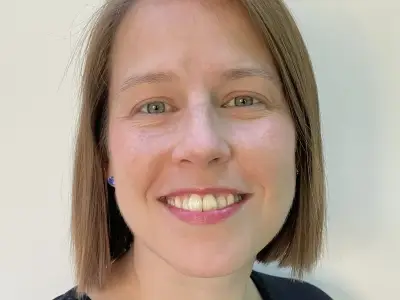
Dr Katriona O'Sullivan, a psychologist and author, has responded to comments made by LBC presenter Nick Ferrari about the affordability of toothbrushes for people living in poverty. Writing in The Guardian, O'Sullivan drew on both her lived experience and academic expertise to explain why someone might choose to buy cheap wine rather than a cheap toothbrush.
The Context of the Debate
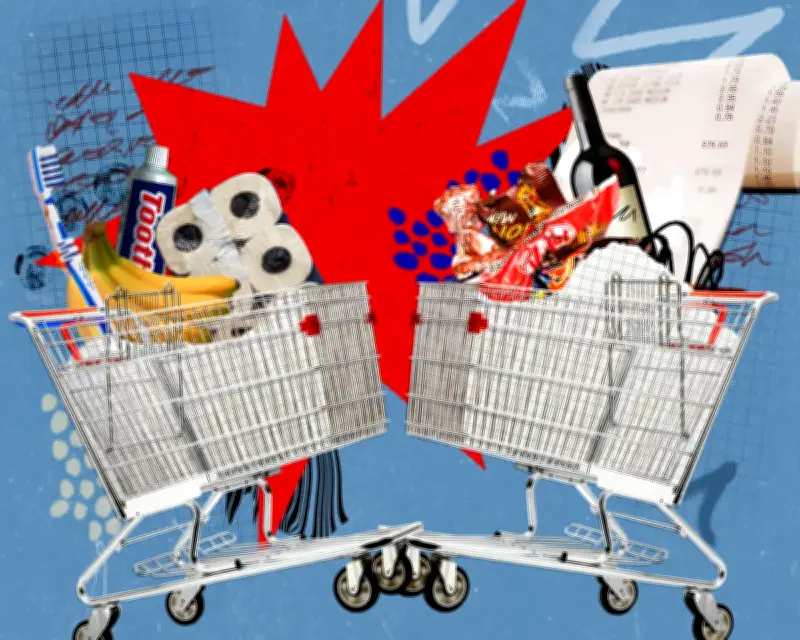
Ferrari was discussing research from the Joseph Rowntree Foundation showing that about 7 million people are struggling to afford basic essentials, including toothpaste and toothbrushes, because of the cost of living crisis. Ferrari focused on the price of cheap toothbrushes at pound shops and Asda, which O'Sullivan described as sounding like a price-comparison advert or lazy journalism.
O'Sullivan, who grew up in poverty, argued that decision-making is shaped by far more than price. She explained that people under constant stress tend to focus on immediate problems, such as debt collectors, electricity cut-offs, or school payments, rather than long-term investments like a toothbrush.

Stress and Decision-Making
According to O'Sullivan, stress makes delayed gratification much harder. When people are under constant pressure, they focus on the here and now. A toothbrush, like healthier food or exercise, is an investment in the future, while poverty creates urgent problems that demand immediate attention.
She noted that growing up in an unstable environment can make it harder to believe that sacrificing today will bring a reward tomorrow. Some studies suggest that growing up poor can affect brain development, making the areas associated with reward more active than those responsible for reasonable decision-making.
Personal Experience
O'Sullivan shared her own experience of choosing not to buy toothpaste or sanitary products. She recalled living on around £35 a week benefits in the 1990s and sometimes buying three bottles of Diamond White instead of spending 50p on tampons. She explained that when you have low self-worth and feel nobody cares about you, a few bottles can feel like an escape from misery.
She wrote: "It felt easier to stuff my knickers with toilet roll from the cash-in-hand job I worked and have one night away from the misery than to sit sober with the constant belief that I was failing myself and my son. At times, it felt like the choice was three bottles or dying."
A Broader Understanding of Choice
O'Sullivan argued that poverty is not created by the bad choices of poor people but by systems that leave people without security, support, or genuine options. She said that putting a 49p toothbrush on a supermarket shelf does not mean everyone has the money, stability, knowledge, or headspace to buy it.
"Availability is not the same as access, and access is not the same as capacity," she wrote. She concluded that repeating the price of a toothbrush as though it disproves poverty is not analysis but ignorance dressed up as common sense. Dr Katriona O'Sullivan is a psychologist, author, and professor at Maynooth University, and author of the bestselling memoirs Poor and Hungry.