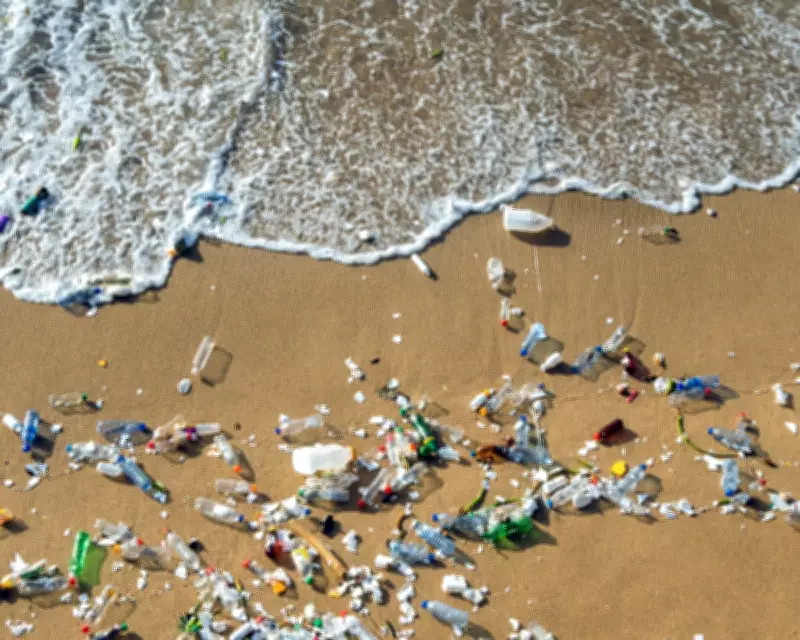
Plastic Production Soars as Oil Giants Shift Focus
Plastic production has already doubled over the past two decades, according to recent analyses. This surge is not merely a consequence of consumer demand but a strategic move by the oil industry to secure future growth. In an interview with Beth Gardiner, it was revealed that plastic represents far more than a recycling failure; it is a deliberate oil growth strategy.
The Petrochemical Pivot
Petrochemicals, with plastics as their dominant output, now account for approximately 75% of net global oil-demand growth. Projections indicate they will become the largest driver of future oil demand. Major oil companies are responding to this trend through significant consolidation efforts. For instance, a recent $60 billion merger has created one of the world's largest plastics producers, reflecting a deliberate pivot toward petrochemical assets as a long-term demand anchor.
This shift fundamentally reframes plastic. It is no longer just a waste problem but energy policy by another name. Yet, current regulations remain focused downstream on issues like litter, recycling, and waste management. Meanwhile, upstream virgin resin capacity continues to expand unabated. No recycling target can neutralise this exponential production growth.

A Climate Risk Embedded in Oil
Charlotte Wintermann of REearthable in Seattle argues that plastic is embedded oil and a climate risk that cannot be recycled away. She draws a parallel to coal emissions, noting that we would not attempt to solve them by focusing solely on ash management. Plastics require the same clarity in approach, as they pose a significant environmental threat beyond mere waste.
Consumer Guilt and Industry Deception
Peg Putt from Hobart, Tasmania, recalls a time when plastic bags were treasured and reused. Today, the planet is choking on plastic pollution, driven by fossil fuel interests using plastic to expand production. Gardiner's book exposes this supply-driven industry, but Putt warns against a parallel push to convert consumers from single-use plastic to single-use paper and cardboard. This shift threatens forest ecosystems, depletes carbon stocks, and harms communities, exacerbating climate change.
The solution, Putt argues, lies in abandoning single-use throwaway packaging and utensils altogether, rather than swapping feedstocks. Disposability and convenience, fueled by greedy industries, are driving an unsustainable consumption catastrophe.
The Recycling Sham
Stephen Avis from Ferndale, California, reflects on the environmental movement's mantra from the 1970s: "reduce, reuse, recycle." However, consumers today have few choices, with plastic pervasive in grocery markets and packaging. Recycling has proven to be a sham, especially after China stopped accepting plastic imports. Most plastics are not recyclable, and governments remain dependent on petroleum lobbyists, hindering significant regulation.
Avis fears that our inability to rein in petroleum use, reduce warming effects, and limit reliance on flawed science dooms us to an unsustainable quality of life, marking the end of a postwar golden age.
Call to Action
The letters collectively emphasise that plastic is not just a waste issue but a critical component of energy and climate policy. Addressing it requires upstream regulation and a shift away from single-use culture, rather than relying on ineffective recycling targets.