
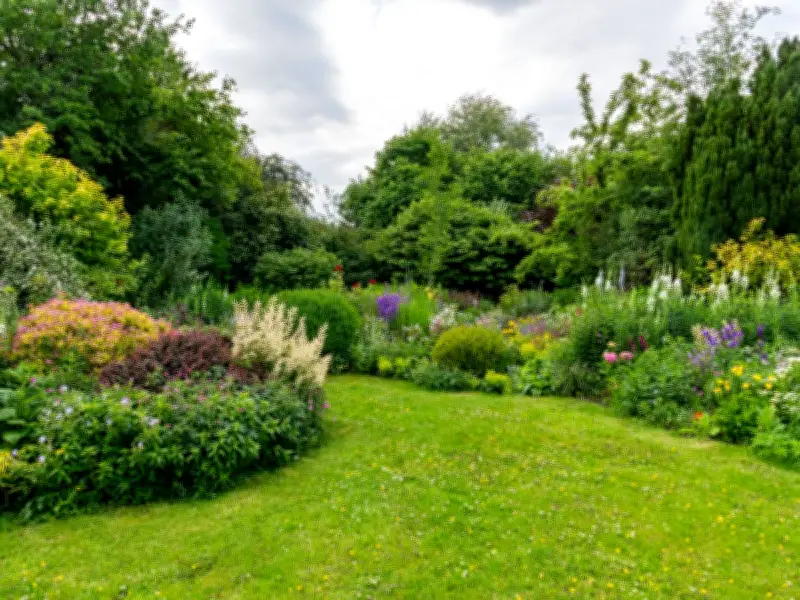
Garden experts are urging people to plant one flower this summer to protect bees and other wildlife. The foxglove (Digitalis purpurea) is a UK-native wildflower that acts as a magnet for bees, butterflies, and other pollinators.
Why Plant Foxgloves?
UK-native plants are a great way to support local wildlife. The foxglove, in particular, is described as a "magnet" for bumblebees by the Royal Horticultural Society (RHS). It is one of the most spectacular native wildflowers, with striking bell-shaped blooms that add color to shady garden corners.
Other Beneficial Plants
GardeningExpress.co.uk recommends seven plants to attract wildlife. Alongside foxgloves, they suggest primrose, hawthorn, ivy, rowan, honeysuckle, and red campion. These native plants provide food and shelter for birds, bees, and insects.
Expert Advice
Chris Bonnett, founder of GardeningExpress.co.uk, says: "Incorporating even a small selection of native plants in your garden can make a big difference. These plants already fit in with our local wildlife, so they'll provide exactly what insects and birds need to survive and thrive."
The RHS advises allowing biennial foxgloves to self-seed or replacing them annually after flowering for a continuous summer display. By planting foxgloves, gardeners can transform their outdoor spaces into thriving habitats, supporting bees and other vital pollinators.




